A cultural weekend in Birmingham - the member's itinerary
Two well-planned days of art, music, architecture and food in Birmingham - an itinerary built around real landmarks.
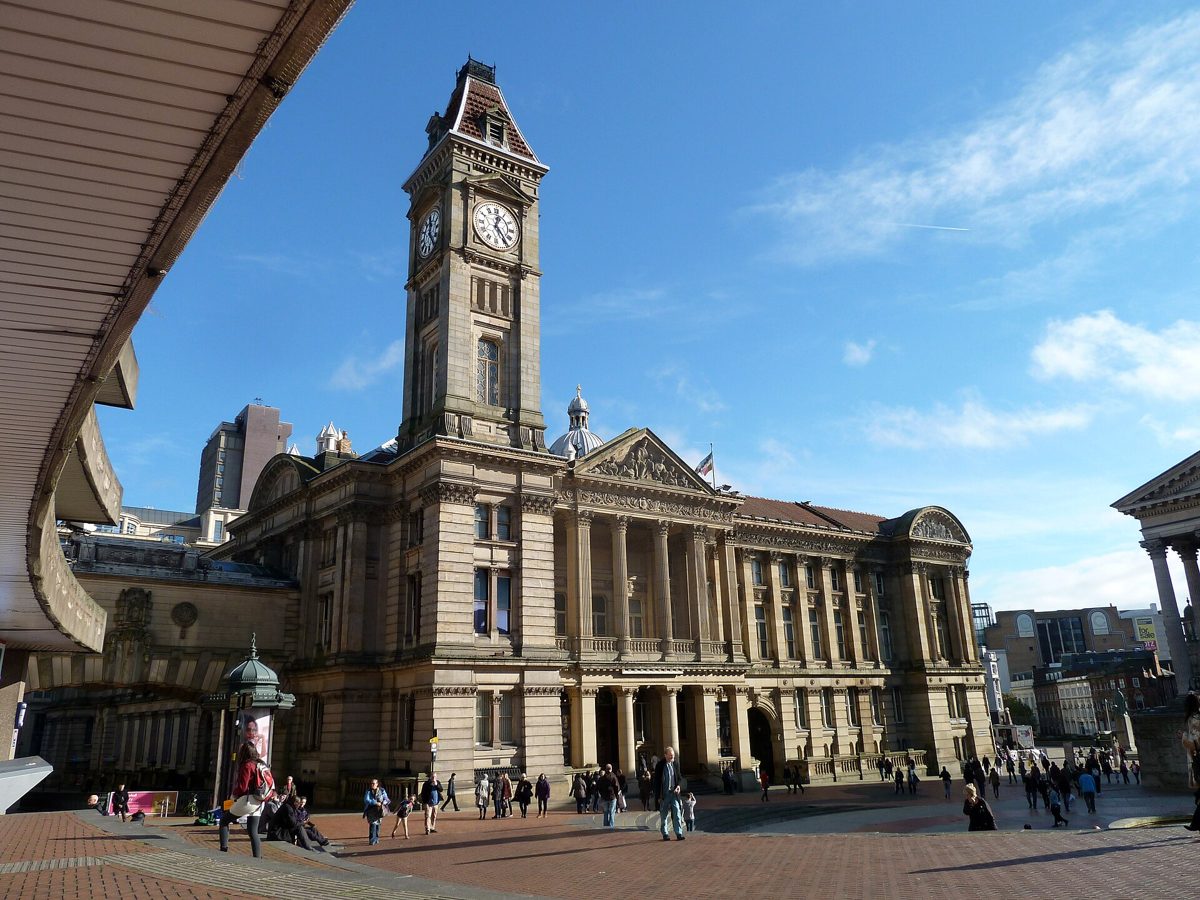
Birmingham offers a vibrant cultural escape, blending industrial heritage with cutting-edge arts and architecture. Spend a weekend exploring world-class museums, historic quarters, stunning concert halls, and unique urban landscapes. Discover hidden gems and iconic landmarks, all within easy reach in this dynamic city.
Saturday Morning
Start your Birmingham cultural immersion right in the city center. Head directly to the Birmingham Museum and Art Gallery (BMAG) in Chamberlain Square. This grand Victorian institution, established in 1885, houses an exceptional collection. You will find the world's largest public collection of Pre-Raphaelite art, featuring masterpieces by Dante Gabriel Rossetti, such as "Proserpine," Edward Burne-Jones's "The Star of Bethlehem," and William Holman Hunt's "The Finding of the Saviour in the Temple." Beyond these luminous works, BMAG is also home to the Staffordshire Hoard, the largest collection of Anglo-Saxon gold ever found. Discovered in 2009, its intricate craftsmanship, including gilded silver and garnet inlays, offers a profound connection to early medieval England and its warrior elite. Give yourself a good two to three hours here to truly appreciate the breadth of its exhibits, from ancient Egyptian artifacts to contemporary art installations.
After exploring BMAG, take a moment to admire the surrounding Victoria Square and Chamberlain Square. Victoria Square boasts impressive civic architecture, including the grand Council House, home to Birmingham City Council, and the magnificent Town Hall. The Town Hall, a Roman-style temple building completed in 1834, is renowned for its musical heritage, having hosted Charles Dickens readings and world premieres by composers like Mendelssohn. At its center stands "The River," more famously known as the "Floozie in the Jacuzzi" fountain, a beloved local landmark. Chamberlain Square, adjacent to BMAG, offers a quieter space, often hosting various events and street performances. These squares are the heart of the city's civic life and provide excellent photo opportunities. A stroll through these areas sets the perfect tone for understanding Birmingham's historical and contemporary pulse. Grab a coffee or a light bite from one of the many cafes in the vicinity, perhaps near the Paradise development, which showcases modern architectural ambition with structures like One Centenary Way, alongside historic gems such as the refurbished Grade II listed former Municipal Bank.
Saturday Afternoon
Transition your cultural journey to the unique Jewellery Quarter, a short walk or tram ride from the city center. This historic district has been a hub for jewellery manufacturing for over 250 years, producing over 40% of all British jewellery. It is a fascinating blend of working factories, independent workshops, artisan shops, and charming Georgian architecture. Begin your exploration at the Museum of the Jewellery Quarter, housed in the perfectly preserved 19th-century workshop of Smith & Pepper. A guided tour here offers an incredible insight into the traditional craft, demonstrating how jewellery was made using original tools and machinery, from stamping presses to polishing lathes. You will hear stories of the families who worked there for generations and witness the enduring skills passed down through time, truly a genuine step back in time.
Wander through the cobbled streets of the Jewellery Quarter, taking in the distinctive atmosphere. Look for landmarks like the Chamberlain Clock at the junction of Warstone Lane, Vyse Street, and Frederick Street, a Victorian public clock that serves as a meeting point and symbol of the area. Visit St Paul's Square, the last remaining Georgian square in Birmingham, centered around the beautiful St Paul's Church, consecrated in 1779. This serene green space is surrounded by attractive period buildings, many now housing creative businesses, design agencies, restaurants, and bars. Pop into some of the independent jewellery shops; even if you are not buying, the intricate craftsmanship on display, from bespoke engagement rings to unique silver pieces, is remarkable. The district also has numerous art galleries, like the RBSA Gallery, and design studios, reflecting its ongoing creative spirit. For a late afternoon refreshment, find a traditional pub like The Lord Clifden or The Rose Villa Tavern, both offering a slice of local history with your drink and often featuring original Victorian interiors.
Saturday Evening
As evening approaches, prepare for a world-class performance at Symphony Hall, located in Centenary Square. Widely regarded as one of the finest concert halls in the world, Symphony Hall, opened in 1991, is celebrated for its exceptional acoustics and impressive design, featuring a movable canopy and adjustable reverberation chambers. It is home to the internationally acclaimed City of Birmingham Symphony Orchestra (CBSO), but also hosts an eclectic program ranging from classical concerts and jazz performances to stand-up comedy and popular music acts. Check the schedule in advance to catch a performance by the CBSO under conductors like Mirga Gražinytė-Tyla or a visiting artist. The experience of sitting in this magnificent venue, listening to live music, is truly unforgettable.
Before or after your performance, explore the vibrant Brindleyplace and Gas Street Basin areas, which are just a stone's throw from Symphony Hall. Brindleyplace is a modern development of bars, restaurants, and cafes, set around attractive courtyards and canals. It is a perfect spot for dinner, offering a wide array of cuisines from casual dining at places like Wagamama to more upscale options such as Piccolino. Gas Street Basin is where the Worcester and Birmingham Canal meets the BCN Main Line. This historic canal junction, with its colourful narrowboats and charming bridges, offers a picturesque backdrop for an evening stroll. The old canal-side warehouses have been converted into lively establishments, retaining much of their original character. Enjoy a drink at one of the canal-side pubs, such as The Malt House, taking in the reflections of the city lights on the water. It is a quintessential Birmingham experience, showcasing the city's industrial past gracefully adapted for modern leisure.
Sunday Morning
Start your Sunday with a visit to the Library of Birmingham, an architectural marvel located in Centenary Square. Opened in 2013, its distinctive circular design and intricate metalwork exterior by Mecanoo architects make it instantly recognizable. Inside, the library is a beacon of modern learning and culture. Take the escalators to the upper floors to discover the Secret Garden, an outdoor terrace offering panoramic views of the city. Higher still, on the ninth floor, you will find the Shakespeare Memorial Room, a beautifully preserved Victorian room that once housed the city's Shakespeare collection at the original library. It is a quiet, contemplative space offering another unique perspective on Birmingham's heritage, connecting the modern city with its literary past through rare first editions and historical artifacts. The views from the top are exceptional, providing a great sense of the city's scale and layout.
Following your library visit, embark on a leisurely walk along Birmingham's famous canals. The city boasts more miles of canals than Venice, a legacy of its industrial revolution when these waterways were vital for transporting goods like coal and iron. From Centenary Square, you can easily access the network. Head towards Gas Street Basin again, then perhaps along the Main Line Canal towards the Mailbox, a former Royal Mail sorting office now a luxury shopping and dining destination. This walk reveals a different side of Birmingham - peaceful waterways lined with historic buildings, modern developments, and lush greenery. You will see working narrowboats, old canal locks, and bridges, all telling the story of the city's pivotal role in industrial history. It is a tranquil escape from the urban hustle, offering opportunities for quiet reflection and appreciation of Birmingham's unique infrastructure. Consider a canal boat trip for a different perspective; many operators like Sherborne Wharf Heritage Boat Trips offer short tours from Gas Street Basin.
Sunday Afternoon
For your final cultural flourish, head to the creative quarter of Digbeth. This area, a short walk or tram ride from the city center, is a vibrant hub of street art, independent businesses, and historical industrial architecture. At its heart is The Custard Factory, a complex of Victorian factories that once produced Bird's Custard but has since been repurposed into a creative village. It houses independent shops, art galleries, cafes, bars, and event spaces. Spend time exploring the various units, discovering unique artwork, vintage fashion, and crafts. The courtyards are often adorned with large-scale murals and graffiti by artists like Gent 48 and Phlegm, making it a dynamic and visually stimulating environment.
Beyond The Custard Factory, wander the streets of Digbeth to admire the ever-changing street art and murals that adorn many of the buildings. This area is a canvas for local and international artists, offering a constantly evolving outdoor gallery. You will also find various independent music venues like The Mill, breweries such as Dig Brew Co., and quirky eateries. For a taste of Birmingham's culinary diversity, consider visiting the nearby Balti Triangle for an authentic Balti curry, a dish synonymous with the city. While slightly further afield, it represents a significant part of Birmingham's multicultural fabric. Alternatively, if time is short, enjoy a final coffee or craft beer in one of Digbeth's many independent establishments, such as Kanteen or Chance & Counters, soaking in the area's bohemian atmosphere before concluding your cultural weekend in Birmingham.
Here are some key features that make Digbeth a unique cultural destination: Street Art: Constantly evolving murals and graffiti by local and international artists. Independent Businesses: Unique shops, cafes, and creative studios within The Custard Factory and beyond. Live Music Venues: Host a diverse range of gigs from emerging artists to established acts. Craft Breweries: Opportunities to sample locally brewed beers in industrial-chic settings. Food Markets: Regular events like Digbeth Dining Club offer a wide array of street food options.
Frequently asked questions
What is the best way to get around Birmingham city center?
Birmingham city center is very walkable, making it easy to explore many key cultural sites on foot. For longer distances or to reach areas like the Jewellery Quarter or Digbeth more quickly, the West Midlands Metro tram system is efficient and convenient, with several stops throughout the city. Local bus services also cover the entire city. For a unique experience, consider a canal boat trip from Gas Street Basin.
Are there any free cultural activities in Birmingham?
Absolutely. Many of Birmingham's best cultural experiences are free. The Birmingham Museum and Art Gallery offers free entry to its permanent collections, including the Pre-Raphaelite art and the Staffordshire Hoard. Walking through the Jewellery Quarter, exploring St Paul's Square, and admiring the architecture of the Library of Birmingham (including its Secret Garden and Shakespeare Memorial Room) are all free. Strolling along the canals and enjoying the vibrant street art in Digbeth also cost nothing, providing rich cultural engagement without an admission fee.
What kind of food should I try in Birmingham?
Birmingham is renowned for its diverse culinary scene. The city is particularly famous for the "Balti," a type of curry cooked and served in a thin, pressed-steel wok. You can find excellent Balti restaurants, particularly in the Balti Triangle area with establishments like Shabab or Al Frash. Beyond that, Birmingham offers everything from Michelin-starred dining (e.g., Carters of Moseley, Opheem) to vibrant street food markets like Digbeth Dining Club, traditional pubs serving hearty British fare, and a vast array of international cuisines reflecting the city's multicultural population. Do not miss the chance to try a local craft beer from one of the city's independent breweries like Dig Brew Co. or Attic Brew Co.
This is an independent member's guide compiled by Birmingham Society. We are not affiliated with the venues and institutions mentioned; opening arrangements and programmes change - always confirm details on the official websites before making plans.
← Back to Events