Free things to do in Birmingham - a member's guide
A city's character is often in what it gives away: the best of Birmingham at no cost.
Birmingham offers an array of world-class cultural experiences that cost nothing to enjoy. From internationally significant art collections to historic canal networks and groundbreaking contemporary exhibitions, the city provides abundant opportunities for enriching exploration without spending a penny. These free attractions showcase Birmingham's diverse heritage and dynamic artistic spirit.
Birmingham Museum & Art Gallery
Located in the heart of the city, the Birmingham Museum & Art Gallery is a cornerstone of the city's cultural landscape. Its extensive collections span art, social history, archaeology, and natural history, making it a comprehensive journey through various epochs and cultures.
What you actually see here are some truly exceptional pieces. The museum houses the largest public collection of Pre-Raphaelite art in the world, featuring masterpieces by artists such as Edward Burne-Jones, Dante Gabriel Rossetti, and John Everett Millais. Burne-Jones's monumental "Star of Bethlehem" tapestry is a particular highlight, captivating visitors with its intricate detail and scale. Beyond the Pre-Raphaelites, the art galleries present European old masters, British oils and watercolours, and a significant collection of decorative arts, including ceramics, glass, and metalwork.
The historical collections are equally compelling. Visitors can marvel at the Staffordshire Hoard, the largest hoard of Anglo-Saxon gold ever found, offering a rare glimpse into early medieval craftsmanship and society. The Ancient Egypt gallery displays mummies, sarcophagi, and everyday objects, providing insight into one of the world's oldest civilizations. Furthermore, the museum's displays on Birmingham's own history detail its transformation from a small market town into a global industrial powerhouse, featuring objects from the city's manufacturing past, such as the famous Birmingham Small Arms Company.
Why it is worth the time: The sheer breadth and quality of the permanent collections make the Birmingham Museum & Art Gallery an essential visit. It offers a unique opportunity to engage with art and history from diverse periods and cultures, all under one roof. The Pre-Raphaelite collection alone is reason enough for a visit, providing a deep dive into a pivotal moment in British art history. The presentation of local history also offers valuable context for understanding Birmingham's development and character.
The Barber Institute of Fine Arts
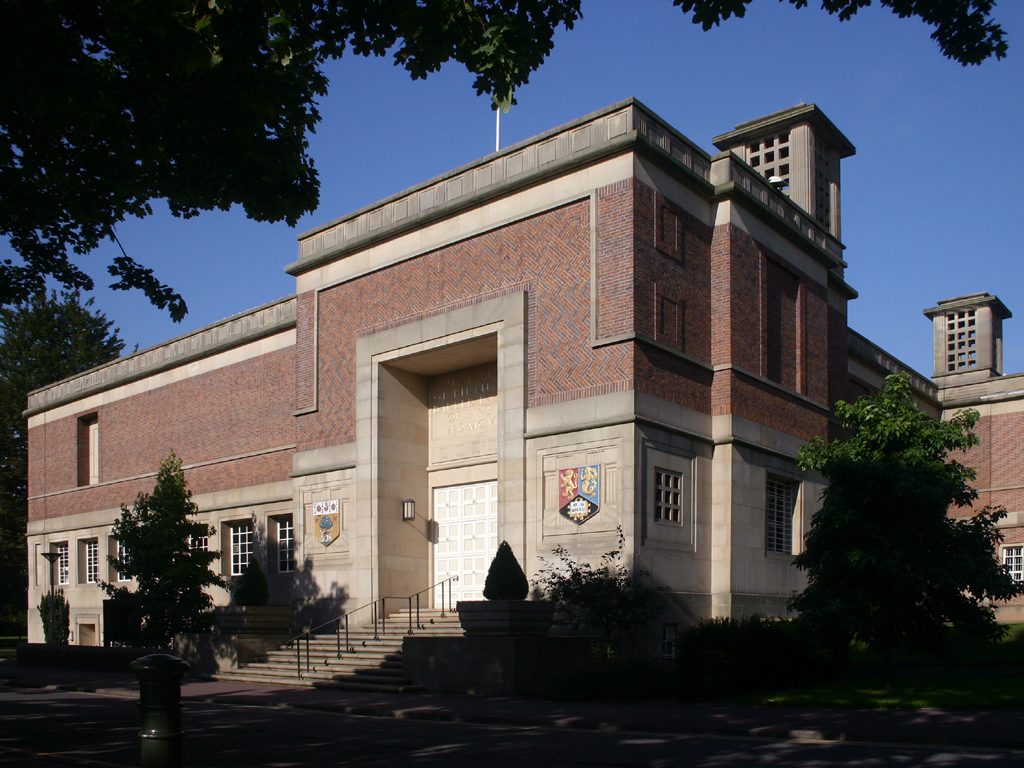
Nestled within the University of Birmingham campus, the Barber Institute of Fine Arts is a hidden gem, often described as one of the finest small art galleries in Europe. Housed in a striking Art Deco building designed by Robert Atkinson, it offers an intimate and focused viewing experience.
What you actually see is an impeccably curated collection of Western European art dating from the Renaissance to the 20th century. The collection was established by Lady Barber, who stipulated that only works of exceptional quality should be acquired. This rigorous selection criterion is evident throughout the galleries. Masterpieces include Giovanni Bellini's "St. Jerome in the Wilderness," a serene and contemplative work, and Jan Steen's dramatic "The Wrath of Ahasuerus." Flemish painting is represented by works by Rubens and Van Dyck. The Impressionist and Post-Impressionist galleries feature iconic pieces by Claude Monet, Edgar Degas, Pierre-Auguste Renoir, Vincent van Gogh, and Paul Gauguin, offering a concentrated survey of these influential movements. British art is also present, with portraits by Thomas Gainsborough and landscapes by J.M.W. Turner. Beyond paintings, the institute boasts a significant collection of sculptures, drawings, and an extensive collection of coins and medals, considered one of the most important in the UK.
Why it is worth the time: The Barber Institute stands out for the consistently high quality of its holdings. Its smaller scale allows for a more focused and less overwhelming experience compared to larger institutions. The architectural setting itself is a delight, providing an elegant backdrop for the art. For anyone seeking to engage with European art history's most significant moments through exceptional examples, the Barber Institute provides an enriching and often tranquil experience away from the city centre bustle. It is an art lover's sanctuary.
The Ikon Gallery
Located in the characterful Brindleyplace canalside area, the Ikon Gallery is a leading venue for contemporary art in the UK. Housed in a magnificent former Victorian school building, it presents a dynamic programme of changing exhibitions.
What you actually see at the Ikon Gallery are works by established and emerging artists from Birmingham and around the world. The gallery focuses exclusively on contemporary art, meaning the exhibitions are always fresh, thought-provoking, and often challenging. You might encounter installations, sculptures, paintings, photography, film, and performance art. The nature of contemporary art means that each visit offers a completely different experience, showcasing diverse artistic practices and exploring current cultural and social themes. The gallery space itself, with its high ceilings and large windows, offers a unique environment for art presentation, blending historic architecture with modern artistic expression. The building's clock tower, visible across the canals, is a distinctive feature.
Why it is worth the time: The Ikon Gallery provides an excellent opportunity to engage with the cutting edge of visual art. It is a place for discovery, where visitors can encounter new ideas and artistic voices. For those interested in understanding contemporary culture and artistic trends, Ikon is indispensable. Its commitment to showcasing a wide range of artists ensures that there is always something new and unexpected to experience. The gallery also offers insight into Birmingham's vibrant contemporary art scene.
The Library of Birmingham
An architectural marvel dominating Centenary Square, the Library of Birmingham is far more than just a repository for books; it is a significant cultural hub and a landmark building. Designed by Mecanoo, its striking circular motifs and gold-and-silver exterior are instantly recognisable.
What you actually see inside is a vast, multi-level public space dedicated to learning, culture, and community. Beyond its extensive collection of books, journals, and digital resources, the library holds some unique treasures. On the seventh floor, the Shakespeare Memorial Room, originally designed by John Henry Chamberlain for the city's first central library in 1882, has been meticulously reconstructed. It houses one of the world's most important Shakespeare collections, offering a tangible link to literary history. Visitors can also explore the British Institute of Recorded Sound collection and extensive local studies and archives, providing deep dives into Birmingham's past. Perhaps the most celebrated feature are the two outdoor rooftop terraces on the third and seventh floors, offering panoramic views across the city, including sights like the BT Tower, the Town Hall, and parts of the Jewellery Quarter. The building's interior is a spectacle of light and open spaces, with escalators spiralling through the central rotunda.
Why it is worth the time: The Library of Birmingham is a destination in itself, both for its architecture and its contents. It offers a unique blend of literary history, extensive research facilities, and breathtaking urban vistas from its free viewing platforms. The Shakespeare Memorial Room is a quiet, atmospheric escape, while the rooftop terraces provide some of the best free photo opportunities and perspectives on Birmingham's evolving skyline. It is a place where history, knowledge, and modern design converge.
Canal Walks Through the City Centre
Birmingham's canal network, often cited as having more miles of canal than Venice, offers a distinctive way to explore the city centre's industrial heritage and modern regeneration. These waterways were once the lifeblood of the city's manufacturing prowess.
What you actually see on a canal walk are the historic waterways themselves, lined with traditional narrowboats and modern barges. Key areas like Gas Street Basin, at the heart of the network, are particularly picturesque, surrounded by former industrial buildings now repurposed into vibrant businesses and residences. Walking along the towpaths, you pass under historic brick bridges, past colourful boats, and through areas like Brindleyplace, a prime example of urban regeneration that beautifully integrates contemporary architecture with the historic canals. You can observe the lock mechanisms, understand how goods were transported, and appreciate the scale of Victorian engineering. The walks also provide glimpses of the city's architecture from a unique, water-level perspective, revealing hidden courtyards and intricate details often missed from street level.
Why it is worth the time: Canal walks offer a tranquil escape from the urban hustle, providing a peaceful environment for a stroll or a moment of reflection. They connect you directly to Birmingham's industrial past, allowing you to visualize the city's origins as a manufacturing hub. The blend of historic infrastructure with modern developments creates a fascinating visual contrast. These walks are an excellent way to experience the city's unique character, offering both historical insight and a refreshing outdoor activity.
Here are some key free attractions in Birmingham: Birmingham Museum & Art Gallery: Pre-Raphaelite art, Staffordshire Hoard. The Barber Institute of Fine Arts: Old Masters, Impressionists. The Ikon Gallery: Contemporary art exhibitions. The Library of Birmingham: Shakespeare Memorial Room, rooftop views. Canal Walks: Gas Street Basin, Brindleyplace, industrial heritage.
Frequently asked questions
Is there a cost to enter these Birmingham attractions?
No, the institutions and areas mentioned-Birmingham Museum & Art Gallery, The Barber Institute of Fine Arts, The Ikon Gallery, The Library of Birmingham, and the city centre canal walks-all offer free general admission to their permanent collections or public spaces. While special exhibitions at some venues may require a ticket, the core offerings are freely accessible to everyone.
Are these attractions suitable for all ages?
Yes, these locations offer something for every age group. The Birmingham Museum & Art Gallery has engaging historical displays and art that can spark curiosity in children and adults alike. The Barber Institute's refined collection appeals to art enthusiasts. The Ikon Gallery provides stimulating contemporary art for those interested in modern culture. The Library of Birmingham welcomes families and offers stunning views. Canal walks are a pleasant outdoor activity for all ages and fitness levels.
How much time should I allocate for visiting these places?
The time needed varies significantly. For the Birmingham Museum & Art Gallery, you could easily spend 2-3 hours exploring its vast collections, or longer if you wish to see everything in detail. The Barber Institute, being smaller, can be comfortably explored in 1 to 1.5 hours. A visit to the Ikon Gallery depends on the current exhibition, but typically takes 1 hour. The Library of Birmingham can be a quick stop for the views (30 minutes) or a longer visit for deeper exploration. Canal walks can range from a short 30-minute stroll to a multi-hour exploration of the network.
This is an independent member's guide compiled by Birmingham Society. We are not affiliated with the venues and institutions mentioned; opening arrangements and programmes change - always confirm details on the official websites before making plans.
← Back to Events