Historic pubs of Birmingham - a member's guide
Old rooms with real history: the Birmingham pubs where the building is part of the story.
Birmingham's Enduring Pubs: A Guide to the City's Historic Watering Holes Birmingham's historic pubs offer a tangible link to the city's past, each building telling a unique story through its architecture and enduring character. From medieval timber frames to Edwardian tilework and cellars dedicated to craft ale, these establishments provide more than just refreshment; they offer a journey through centuries of local history and community gathering.
Birmingham's Enduring Public Houses
Birmingham, a city often associated with its industrial might and canals, also holds a significant collection of historic public houses. These buildings stand as quiet witnesses to centuries of change, offering not just a place for a drink, but a window into the social fabric of bygone eras. Far from mere drinking establishments, they served as community hubs, meeting places, and sometimes even temporary courts or lodgings for travelers and merchants. Their survival, often through periods of intense urban redevelopment like the post-war rebuilding efforts and 1960s city centre transformations, underscores their deep cultural value and the city's commitment to preserving its heritage. Visiting these pubs provides a direct, unvarnished encounter with Birmingham's long and varied history, connecting patrons to generations past through shared spaces and traditions. Each tells a distinct tale, from the city's earliest days as a market town to the height of its Victorian and Edwardian prosperity, and into its modern identity as a centre for diverse tastes in real ale and craft beer. These establishments represent the evolving social landscape, from the gathering spots of medieval peasants and traders to the opulent "gin palaces" frequented by Victorian industrialists and the working classes alike.
The Old Crown - A Medieval Survivor
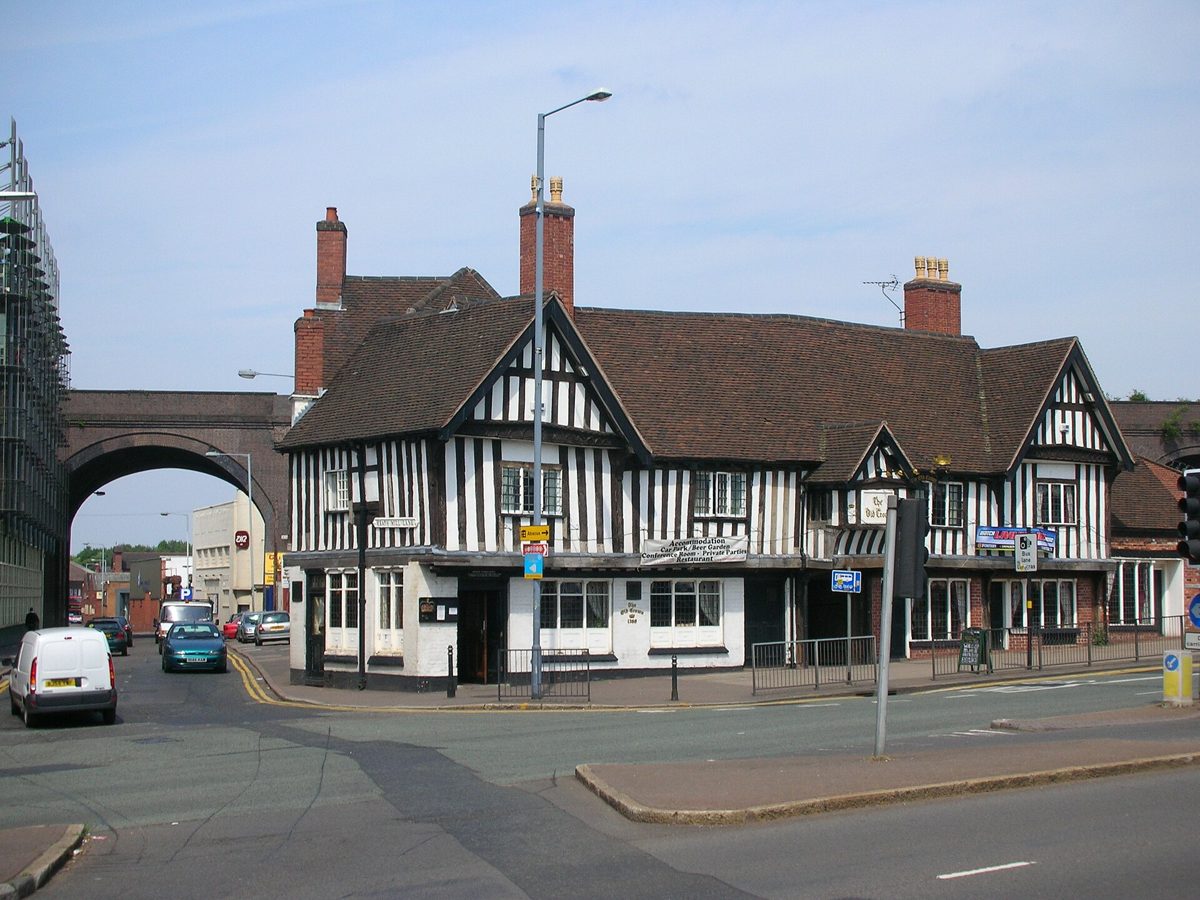
The Old Crown in Deritend holds the distinction of being Birmingham's oldest secular building, its origins tracing back to 1368. This remarkable timber-framed structure has withstood the ravages of time, including the English Civil War, during which it is documented to have played a role. Allegedly, Queen Henrietta Maria stayed here in 1643 before the Battle of Camp Hill, a skirmish that saw Royalist forces clash with Parliamentarian defenders just outside the town. The building's continued presence underscores the remarkable durability of medieval construction and its uninterrupted service as a public house for over six centuries. Located in what was once the heart of the original market town, before the modern city expanded dramatically in the 18th and 19th centuries, the Old Crown offers a rare glimpse into Birmingham's pre-industrial landscape, a time when Deritend was a busy thoroughfare for goods and people entering the nascent town.
What makes the room distinctive is its authentic medieval character, preserved through centuries. The interior features low ceilings and heavily exposed timber beams that criss-cross overhead, creating an intimate, almost cavernous atmosphere. These ancient timbers, darkened with age, are visible throughout the pub, a constant reminder of its age. The layout comprises multiple, interconnected rooms, each with its own fireplace, suggesting a history of gradual expansion and adaptation. The "snugs" or smaller, private areas would have provided discrete spaces for different social groups or conversations, a common feature in historic pubs. These smaller spaces foster a sense of warmth and privacy, a stark contrast to the open-plan designs of many modern pubs. The uneven flagstone floors and ancient stonework further enhance the feeling of stepping back in time, transporting patrons to an era of flickering candlelight and roaring fires.
The Old Crown is known for its documented association with the English Civil War. Beyond the anecdote of Queen Henrietta Maria, the pub's strategic location near the town's defensive lines meant it was directly involved in the conflict. Birmingham, a Parliamentarian stronghold in a largely Royalist region, faced significant challenges, including a siege and subsequent sacking by Prince Rupert's forces. The Old Crown, situated on a key approach road, would have witnessed much of this upheaval. It is a landmark that survived the destruction inflicted upon parts of Birmingham during the war, making its continued presence a significant historical marker. Its survival through such turbulent times highlights its enduring resilience and its status as a living museum of the city's heritage, a place where history isn't just displayed, but actively felt.
Distinctive features include: Exposed timber beams dating back to the 14th century, many still bearing original markings. Low, intimate ceilings that create a cosy, historic feel. Multiple, interconnected rooms and snugs, including the 'Parlour' and 'Tap Room'. Large, traditional fireplaces, offering warmth and a focal point, especially in colder months.
The Bartons Arms - Edwardian Grandeur
The Bartons Arms, built in 1901 by the renowned Birmingham architects James & Lister Lea, stands as a magnificent example of Edwardian pub architecture. Located in Aston, this Grade II* listed building is celebrated for its opulent design, reflecting the prosperity and decorative flair of the era. It was constructed at a time when pubs were often designed as "gin palaces" - grand, ornate establishments intended to impress and entertain, catering to both the burgeoning middle class and aspirational working class. The architects, James & Lister Lea, were prolific, responsible for numerous impressive pubs across Birmingham and the wider region, including The Woodman and The Black Horse in Birmingham, but The Bartons Arms remains one of their most celebrated works, often cited as their masterpiece. Its exterior alone, with its striking red brick, elaborate terracotta dressings, and distinctive cupola, hints at the splendour within. The building's prominent corner position and towering presence would have made it an unmissable landmark in Edwardian Aston.
The interior of The Bartons Arms is truly what sets it apart. It boasts an extraordinary collection of Art Nouveau tiling, primarily from Minton Hollins & Co. and Craven Dunnill, two of Britain's most respected tile manufacturers of the period. These tiles adorn almost every surface, from the walls to the bar fronts, depicting intricate floral motifs, classical figures, allegories, and elaborate geometric patterns in a vibrant palette of greens, blues, and browns. One notable example is the series of tiled panels depicting various sporting activities and allegorical figures, adding to its visual richness. High ceilings, original mahogany bar fittings, and extensive stained glass windows featuring scenes and allegories further contribute to its palatial feel. The main bar area is particularly breathtaking, with its sweeping counter and the sheer scale of the decorative work, all meticulously preserved. The craftsmanship evident in every detail, from the carved wood to the leaded glass, speaks volumes about the ambition and artistic skill of the period.
The Bartons Arms is widely known for its outstanding Edwardian architecture and unparalleled tilework. It is frequently cited as one of the finest examples of a surviving "gin palace" style pub in the United Kingdom by architectural historians and heritage groups like CAMRA (Campaign for Real Ale). Its historical significance extends beyond its beauty; it represents a specific period of social history, when pubs were central to urban life and designed to be architectural showpieces, reflecting the wealth and confidence of the British Empire. The building has been meticulously maintained, allowing visitors to experience the full grandeur of its original design, a true jewel in Birmingham's architectural crown that continues to captivate patrons over a century after its construction.
Distinctive features include: Extensive Art Nouveau tiling by Minton Hollins & Co. and Craven Dunnill, covering walls and bar fronts. Ornate stained glass windows throughout, depicting allegories, figures, and patterns. High, decorative ceilings with original plasterwork. Original mahogany bar and fittings, including the back bar and gantry. A distinctive exterior cupola and terracotta detailing.
The Wellington - The Ale Enthusiast's Destination
The Wellington, while not possessing the centuries-old fabric of the Old Crown or the Edwardian opulence of The Bartons Arms, has established its own significant place in Birmingham's pub history through its unwavering dedication to real ale. Opened as a pub in its current incarnation in 2004, it is a more contemporary establishment in terms of its building's age, but its focus has made it a modern classic and a pilgrimage site for beer enthusiasts across the country. Its history as a pub is defined by its mission to offer an unparalleled selection of cask-conditioned ales, cementing its reputation as a leading proponent of traditional brewing. It quickly gained recognition from organisations like CAMRA, consistently featuring in their Good Beer Guide.
The distinctive feature of The Wellington's room is its functional, yet welcoming, design centred entirely around the appreciation of beer. The main bar area is dominated by an impressive array of hand pumps, often numbering over a dozen, each dispensing a different cask ale. Large blackboards prominently display the day's offerings, detailing breweries, beer styles, strength, and tasting notes, encouraging exploration and discussion among patrons. The selection rotates constantly, featuring ales from established national breweries like Timothy Taylor's and Fuller's, alongside innovative independent microbreweries from across the UK, such as Magic Rock Brewing or Siren Craft Brew. The interior is generally unfussy, with comfortable seating and a layout that facilitates conversation, but the true decoration is the ever-changing line-up of beers. There is often a direct view into the cellar, showcasing the care taken in conditioning and serving the ales, a rare transparency that beer lovers appreciate and that underscores the pub's commitment to quality.
The Wellington is unequivocally known as Birmingham's premier real ale pub. Its documented association is with the promotion and celebration of traditional British cask ale, acting as a crucial hub for the real ale movement in the city. It consistently features a rotating selection of guest ales from independent breweries across the UK, making it a dynamic and ever-evolving destination for those seeking quality, variety, and the perfect pint. It has been a consistent fixture in CAMRA's Good Beer Guide for many years, solidifying its reputation as a standard-bearer for the real ale movement in the city and beyond, attracting both seasoned connoisseurs and newcomers eager to explore the world of cask beer.
Distinctive features include: Over a dozen hand pumps for cask ale, offering a constantly rotating selection. Prominent, regularly updated beer blackboards detailing current offerings. Direct view into the meticulously kept beer cellar, highlighting cellarmanship. A focus on the quality and variety of traditional ales from diverse breweries. A welcoming, unpretentious atmosphere designed for beer appreciation.
The Post Office Vaults - A Subterranean Beer Haven
The Post Office Vaults offers a unique pub experience, situated, as its name suggests, in the cellar of a former post office building. Its history as a pub is relatively recent, opening in 2012, compared to the likes of the Old Crown, but its location and unique offering have quickly made it a celebrated spot in Birmingham's pub landscape. The building itself, located on New Street, was once a bustling civic centre for communications, handling countless letters and parcels. Now, its subterranean vaults house a different kind of communication, fostering social interaction over an extraordinary selection of drinks. The transformation from a functional government building's basement to a popular subterranean bar speaks to the adaptive reuse of Birmingham's urban fabric, breathing new life into forgotten spaces.
What makes the room distinctive is its subterranean setting. Descending into the Post Office Vaults immediately transports visitors into a different world - a series of intimate, often multi-level, cellar rooms. The atmosphere is cosy and often bustling, with exposed brickwork and low arches contributing to a sense of historical enclosure and intimacy. Crucially, the visible, extensive fridges displaying hundreds of bottled and canned beers from around the world are a key visual feature, inviting exploration and discovery. Patrons can browse labels from Belgium, Germany, the USA, and increasingly, local craft breweries, alongside rare and limited-edition releases. The layout encourages a relaxed, conversational environment, perfect for sampling rare and unusual brews. The low ceilings and natural insulation of the cellar create a cool, quiet retreat from the busy city streets above.
The Post Office Vaults is known for its exceptionally wide selection of bottled and canned beers, complementing its well-curated cask ale offerings. Its documented association is with providing one of the most comprehensive ranges of global and craft beers in Birmingham, making it a destination for those seeking specific international lagers, obscure stouts, or innovative IPAs that are rarely found elsewhere. It caters to a diverse palate, establishing itself as a vital hub for serious beer enthusiasts and casual drinkers alike, all within its distinctive cellar environment. The knowledgeable staff are always on hand to guide patrons through the extensive menu, offering recommendations and insights into the diverse world of beer.
Distinctive features include: Subterranean setting in a former post office cellar, creating a unique atmosphere. Extensive visible fridges showcasing hundreds of bottled and canned beers from around the globe. Intimate, multi-level rooms with exposed brickwork and vaulted ceilings. A focus on a vast global and craft beer selection, alongside traditional cask ales. A quiet, cool environment, perfect for focused beer tasting and conversation.
Preserving Birmingham's Pub Heritage
Birmingham's historic pubs are more than just places to drink; they are repositories of local history, community anchors, and architectural treasures. Their continued existence provides a vital link to the city's past, allowing current generations to experience spaces where countless lives unfolded over centuries. Preserving these establishments means safeguarding tangible evidence of Birmingham's social, economic, and cultural evolution. Each pub tells a unique story, from medieval trade and civil war to Edwardian industrial wealth and the modern appreciation of craft brewing. Their continued existence, despite urban development and evolving tastes, highlights their lasting appeal and the commitment of those who advocate for their preservation. Organisations like CAMRA's local branches actively campaign for the protection of historic pub interiors and the promotion of traditional pub culture. These pubs stand as enduring symbols of continuity in a city known for its constant reinvention, reminding us of the layers of history beneath the modern façade. They are living museums, vital social hubs, and crucial parts of Birmingham's identity that deserve ongoing support and appreciation.
Frequently asked questions
What defines a historic Birmingham pub?
A historic Birmingham pub is typically defined by its age, architectural significance, and its documented role in the city's social or cultural history. This can range from buildings dating back to the medieval period, like The Old Crown, to grand Edwardian "gin palaces" such as The Bartons Arms, or even more modern establishments like The Wellington that have made a significant historical impact through their specific focus, such as real ale advocacy. These pubs often feature original architectural details, unique interior layouts, and stories that connect them to key events or figures in Birmingham's past, providing tangible links to the city's rich heritage.
Are these pubs still serving traditional ales?
Yes, all the pubs mentioned here, and indeed many other historic pubs in Birmingham, maintain a strong commitment to serving traditional cask-conditioned ales, alongside a growing selection of craft beers and other beverages. The Wellington, in particular, is renowned specifically for its extensive and rotating selection of real ales from across the UK, often featuring over a dozen different options. The Post Office Vaults also offers a carefully chosen selection of cask ales in addition to its vast bottled beer range. This dedication ensures that the tradition of British pub culture, centred around quality ale, continues to thrive in these historic settings, appealing to both traditionalists and those seeking new flavours.
What makes Birmingham's pub scene distinct?
Birmingham's pub scene is distinct due to its blend of ancient history, industrial heritage, and modern innovation. It offers a unique juxtaposition of medieval timber-framed buildings and grand Victorian and Edwardian architectural marvels, reflecting the city's growth and prosperity through different eras. Furthermore, Birmingham has cultivated a strong identity as a hub for real ale and craft beer, with pubs like The Wellington and The Post Office Vaults leading the way in offering diverse and high-quality selections, often from local independent breweries. This combination of historical depth, architectural variety, and a vibrant contemporary beer culture creates a pub scene that is rich, varied, and truly reflective of the city itself, offering something for every taste and interest.
This is an independent member's guide compiled by Birmingham Society. We are not affiliated with the venues and institutions mentioned; opening arrangements and programmes change - always confirm details on the official websites before making plans.
← Back to Events