Literary Birmingham - bookshops, libraries and reading rooms worth your time
Independent bookshops, historic libraries and reading spots of Birmingham: a literary walking companion for members.
Birmingham's Literary Heartbeat Birmingham offers a vibrant literary landscape, blending historic institutions with modern spaces that celebrate the written word. From the monumental Library of Birmingham to independent bookshops and the childhood haunts of J.R.R. Tolkien, the city provides a compelling journey for any book lover. Its cultural venues and industrial heritage further enrich this unique literary exploration.
The Grand Temple of Knowledge - Libraries
Birmingham's libraries are cornerstones of its literary identity, serving as both historical archives and contemporary hubs for learning and creativity.
The Library of Birmingham stands as a magnificent, shimmering architectural marvel in Centenary Square. Opened in 2013, it replaced the Brutalist Central Library and quickly became a landmark. Beyond its striking exterior, the library houses an extraordinary collection, including the internationally significant Shakespeare Memorial Room. This ornate Victorian room, originally designed by John Henry Chamberlain for the first Central Library in 1882, was meticulously dismantled and reassembled within the new building. It offers a glimpse into Birmingham's long-standing dedication to preserving literary heritage, particularly its connection to the Bard. The library's vast public spaces, exhibition areas, and panoramic views from its rooftop gardens make it a modern beacon for readers and researchers alike. It's a dynamic centre for events, workshops, and literary discussions, embodying Birmingham's forward-looking approach to culture while honouring its past.
Before the current library, the Birmingham Central Library was a familiar sight for decades. While its architecture was polarizing, its impact on the city's intellectual life was undeniable. J.R.R. Tolkien, a key figure in Birmingham's literary history, was a regular visitor here, drawing inspiration from its collections and atmosphere. His experiences within the city's libraries undoubtedly shaped his imaginative world-building.
Pages and Places - Bookshops of Birmingham
Birmingham boasts a range of bookshops, from large chain stores to charming independents, each offering a unique browsing experience.
Waterstones Birmingham on High Street is a multi-story flagship store, a prominent fixture in the city centre. It provides a comprehensive selection of books across all genres, alongside a busy events program featuring author signings, readings, and book club meetings. Its central location and extensive stock make it a popular destination for both casual readers and serious bibliophiles.
For a more independent flavour, The Bookshop on the Green in the garden suburb of Bournville offers a cozy, community-focused alternative. This charming shop is known for its carefully curated selection, friendly atmosphere, and commitment to local authors and events. It embodies the spirit of independent bookselling, fostering a sense of connection among readers in its neighbourhood.
The Oxfam Bookshop in St Martin's Square near the Bullring provides an ever-changing treasure trove of second-hand books. Browsing its shelves is an exercise in discovery, where unexpected literary gems can be found at affordable prices. Beyond the joy of finding a new read, purchases here support Oxfam's charitable work, adding a layer of social purpose to the literary hunt.
For fans of graphic novels, comics, and genre fiction, Dave's Comics is a Birmingham institution. Located in the city centre, it has served generations of comic enthusiasts, offering a comprehensive range of new releases, back issues, and related merchandise. Its specialist focus highlights the diversity of Birmingham's literary scene, embracing visual storytelling alongside traditional prose.
Literary Footprints - Birmingham's Authors and Landmarks
Birmingham has nurtured and inspired numerous literary figures, leaving their mark on the city and its stories.
The most celebrated literary connection is undoubtedly J.R.R. Tolkien. While born in South Africa, he spent his formative years in Birmingham and its surrounds. His childhood landscapes directly influenced Middle-earth. Places like Sarehole Mill, a picturesque watermill, and Moseley Bog are widely recognized as inspirations for locations like The Shire and the Old Forest. Tolkien attended King Edward's School in Edgbaston, further solidifying his Birmingham roots. His time experiencing both the rural idylls and the burgeoning industrial landscape of early 20th century Birmingham offered a unique duality that permeated his epic works.
Other significant authors with Birmingham ties include: W.H. Auden: Although born in York, the poet spent his early childhood in Solihull, then part of Warwickshire but now within the West Midlands metropolitan area, and attended Gresham's School in Holt. His formative years were connected to the broader region. David Lodge: The acclaimed academic and satirical novelist based much of his fictional "Rummidge" on Birmingham, drawing heavily on his experiences as a professor at the University of Birmingham. His novels offer witty, often incisive, observations on university life and the city itself. Benjamin Zephaniah: A powerful voice in British poetry and literature, Zephaniah was born and raised in Handsworth, Birmingham. His work frequently addresses issues of race, justice, and identity, rooted in his experiences growing up in the city. Jonathan Coe: Another novelist strongly associated with Birmingham, Coe often features the city prominently in his work, perhaps most notably in "The Rotters' Club" and its sequels, which vividly depict Birmingham life and politics.
Cultural Hubs and Historical Echoes
Birmingham's broader cultural institutions and historic districts also contribute to its literary character, hosting events and providing backdrops for countless narratives.
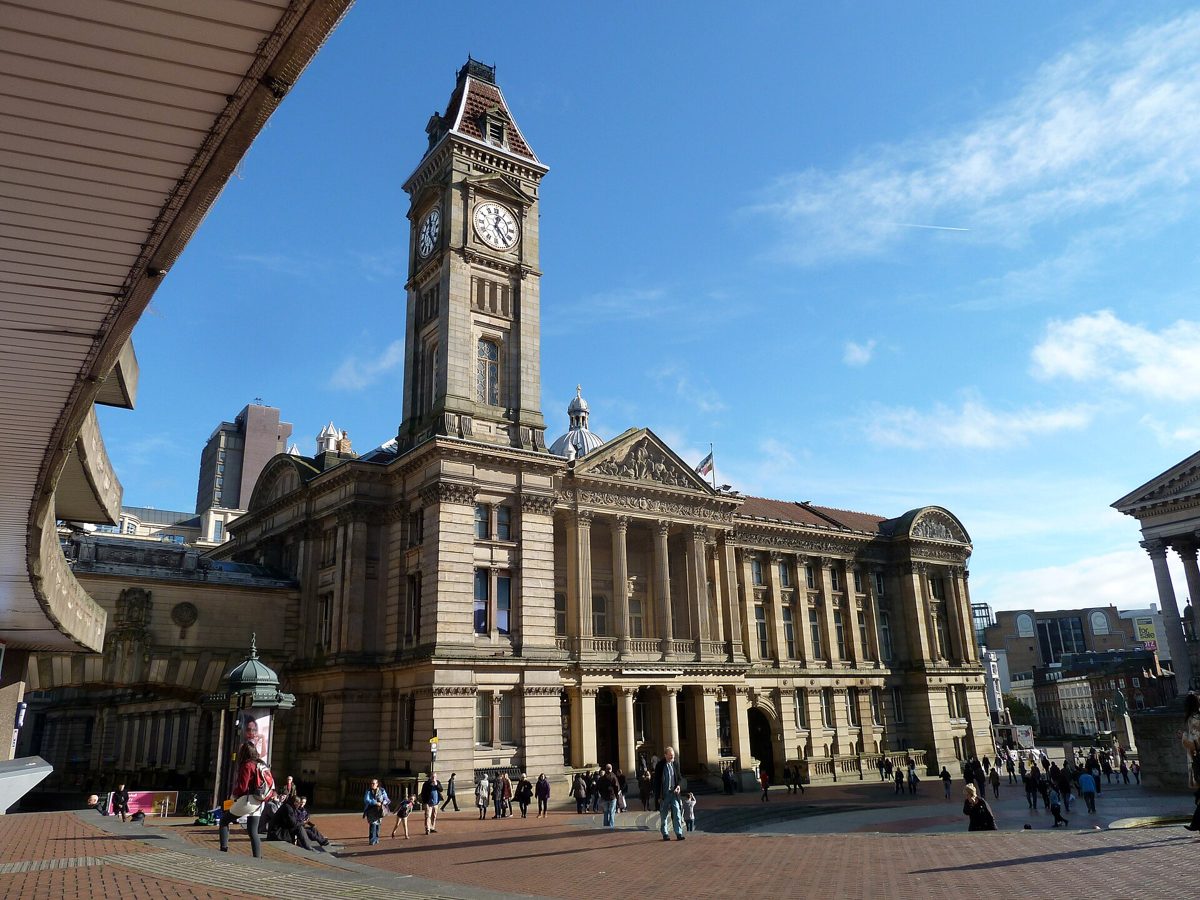
The Birmingham Museum and Art Gallery (BMAG), housed within the magnificent Council House, is a treasure trove of art and history. While primarily an art gallery, its extensive collections frequently touch upon literary themes. The Pre-Raphaelite Brotherhood collection, for instance, often depicts scenes from Arthurian legends, classical mythology, and works by poets like Tennyson and Keats. The museum's exhibitions and permanent displays can spark imaginative thought, just as they have inspired countless writers over the years. Its grand Victorian architecture itself evokes a sense of history, a setting ripe for storytelling.
The Symphony Hall, an internationally renowned concert venue within the ICC, is celebrated for its acoustics and diverse programming. While primarily a musical space, it occasionally hosts literary events, spoken word performances, and discussions with prominent authors as part of wider cultural festivals. Its presence underscores Birmingham's commitment to a broad cultural offering, where literature finds a natural home alongside music and other arts. The sheer scale and elegance of the hall can inspire a sense of awe, a quality often sought in literary description.
The Jewellery Quarter, a unique historic district, tells a story of craftsmanship, industry, and community. With over 200 listed buildings, it's a place where history is etched into every street. This area's bustling workshops, historic pubs, and distinctive architecture provide a rich setting for stories of ambition, skill, and urban life. Notably, J.R.R. Tolkien's father, Arthur Tolkien, worked in the Jewellery Quarter as a manager for a firm of silversmiths, connecting the family directly to this vibrant industrial heartland. The Quarter's enduring character serves as a powerful reminder of Birmingham's industrial past, a theme that has inspired many writers to explore the human condition against a backdrop of urban development and change.
The Birmingham Repertory Theatre (The Rep), located in Centenary Square, is one of the UK's leading producing theatres. It has a long history of staging new plays and reimagining classic works, often adapting literary texts for the stage. The Rep is a vital part of Birmingham's literary ecosystem, bringing stories to life through performance and fostering new writing talent.
Frequently asked questions
What is Birmingham's most famous literary connection?
Birmingham's most famous literary connection is undoubtedly J.R.R. Tolkien, author of "The Hobbit" and "The Lord of the Rings." He spent his formative years in the city and its surrounding areas, with local landscapes like Sarehole Mill and Moseley Bog directly inspiring parts of Middle-earth.
Are there many independent bookshops in Birmingham?
Yes, Birmingham offers a selection of independent bookshops alongside larger chain stores. Examples include The Bookshop on the Green in Bournville, which focuses on community and curated selections, and specialist shops like Dave's Comics for genre enthusiasts. Charity bookshops like Oxfam also provide a unique independent browsing experience.
How can I experience Birmingham's literary history beyond libraries?
Beyond the Library of Birmingham, you can visit Sarehole Mill and Moseley Bog to see landscapes that inspired Tolkien. The Birmingham Museum and Art Gallery's collections, especially its Pre-Raphaelite art, connect to literary themes. Exploring the historic Jewellery Quarter reveals a different facet of the city's past, which has influenced writers and provided settings for stories. The Birmingham Repertory Theatre also brings literary works to life on stage.
This is an independent member's guide compiled by Birmingham Society. We are not affiliated with the venues and institutions mentioned; opening arrangements and programmes change - always confirm details on the official websites before making plans.
← Back to Events