Markets and food culture in Birmingham - where locals actually shop and eat
The markets, food halls and independent streets that show how Birmingham really eats.
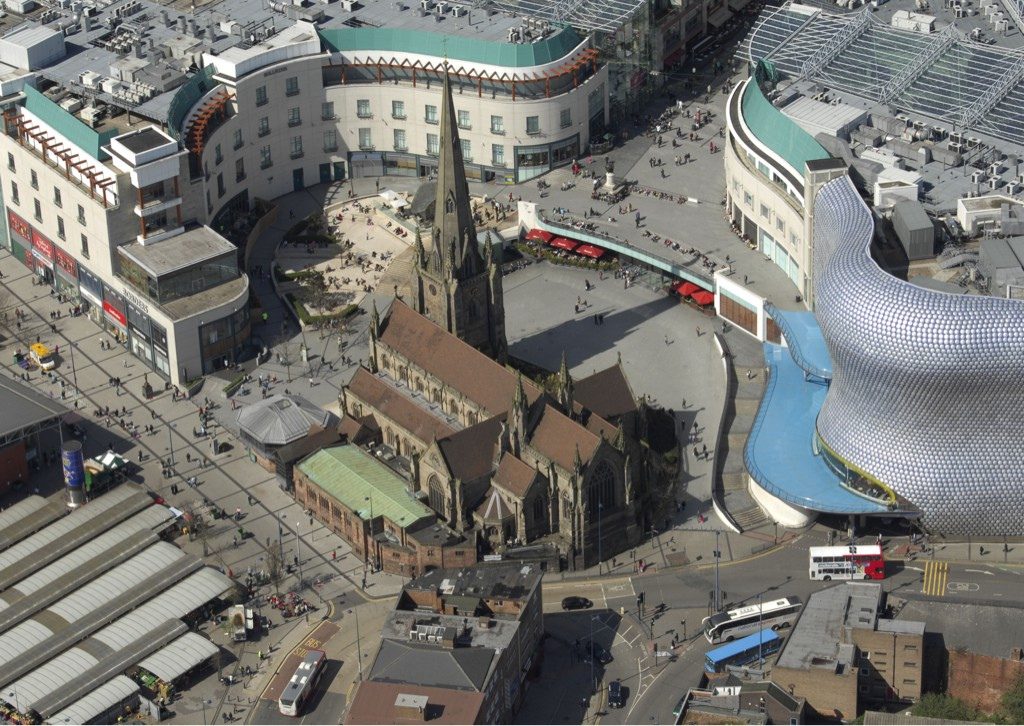
Birmingham's food scene is a vibrant reflection of its industrial past and multicultural present, offering everything from ancient market traditions to cutting-edge street food. Discover the historic Bull Ring Markets, the creative pulse of Digbeth and the Custard Factory, and the unique culinary heritage of the Balti Triangle, each contributing distinct flavors and stories to the city's identity. Birmingham, often called the "Second City," possesses a food culture as dynamic and diverse as its population. From its origins as a small market town to its rise as an industrial powerhouse, the city's relationship with food has continually evolved, shaped by waves of migration and a constant drive for innovation. Over centuries, communities from Ireland, the Caribbean, the Indian subcontinent, and Eastern Europe have enriched the city's palate, introducing new ingredients, cooking techniques, and dining traditions. This guide explores the foundational pillars of Birmingham's culinary landscape, tracing how historical trading posts, revitalized industrial zones, and distinct gastronomic enclaves contribute to a rich, authentic taste of the Midlands.
The Bull Ring Markets - A City's Enduring Heartbeat
The Bull Ring Markets stand as Birmingham's oldest and most continuously operating commercial center, a tradition dating back to 1166 when Peter de Birmingham secured a Royal Charter for a weekly market. This site has been the economic pulse of the city for centuries, adapting through various transformations but always retaining its core function as a place of exchange and community gathering. Today, the Bull Ring encompasses several distinct markets, each with its own character and offerings, reflecting the city's diverse demographics.
The Open Market, a sprawling outdoor space beneath the iconic Selfridges building, presents a kaleidoscopic array of fresh produce. Traders, often multi-generational, call out their wares, offering everything from seasonal British vegetables and fruits like asparagus and strawberries to more exotic items catering to Birmingham's diverse communities. Shoppers can find vibrant piles of chillies, plantains, okra, specialist Asian greens, and root vegetables, alongside ripe berries and apples. The atmosphere here is boisterous and energetic, a sensory overload of sights, sounds, and smells. It's a place where generations of families have shopped, haggled, and socialized, embodying a continuity that few other city spaces can claim. Regulars often know their favourite vendors by name, like Mr. Singh's produce stall, known for its fresh ginger and garlic.
Adjacent to this is the Indoor Market, a covered haven for butchers, fishmongers, and a variety of general goods stalls. Here, the focus shifts to high-quality meats, poultry, and an impressive selection of fresh fish and seafood, much of it sourced daily from coastal towns. You'll find prime cuts of beef, locally reared lamb, and a wide array of fish from fresh cod and sea bass to more unusual catches like monkfish and snapper. The traders are knowledgeable, often offering advice on preparation and cooking. This market feels more traditional, with long-standing family businesses passing down expertise, like the generations of butchers at Walter Smith & Son.
Perhaps the most unique component is the Rag Market. True to its name, it historically dealt in textiles and second-hand clothing, but today it offers an expansive range of fabrics, haberdashery, household goods, and small electronics. It's a treasure trove for crafters, designers, and anyone seeking a bargain, often featuring vintage clothing, quirky bric-a-brac, and small food stalls selling quick bites like samosas or pakoras. The atmosphere is a lively mix of discovery and practicality, with a strong sense of local character. The Rag Market's presence reflects Birmingham's history as a manufacturing hub, particularly in the textile and garment industries, providing raw materials and finished products to the city's working population. These markets collectively offer a tangible link to Birmingham's deep trading roots, showcasing its enduring spirit of commerce and community.
Digbeth - Industrial Legacy, Modern Flavours
Digbeth, Birmingham's oldest industrial quarter, has undergone a significant transformation, evolving from a manufacturing powerhouse into a dynamic cultural and culinary hub. Its red-brick warehouses and factory buildings, once home to Victorian industries like the Bird's Custard factory and various metalworking enterprises, now house an eclectic mix of independent businesses, creative enterprises, and, most notably, a thriving food and drink scene. This district's industrial heritage is palpable; the architecture, with its towering chimneys and robust facades, tells a story of hard work and innovation, a narrative that underpins its current reinvention.
The food scene in Digbeth is characterized by its independent spirit and a strong emphasis on street food and casual dining. Many of the former industrial spaces have been repurposed into vibrant food halls, pop-up kitchens, and unique dining experiences. The most celebrated example is the Digbeth Dining Club, which started in 2012 and has become a multi-award-winning weekly event. It transformed a car park into a bustling street food arena, providing a platform for independent traders and attracting thousands of visitors. Here, you might find anything from artisanal pizzas baked in wood-fired ovens by vendors like Baked in Brick (who started in a Land Rover oven), gourmet burgers crafted with locally sourced ingredients, to authentic bao buns from Homeboys, vibrant Thai curries from Buddha Belly, or tacos from Original Patty Men. The emphasis is on quality ingredients, innovative preparation, and a relaxed, communal dining experience.
Beyond the Dining Club, permanent fixtures like Kanteen offer modern Asian fusion, and numerous independent breweries such as Dig Brew Co. and Halton Road Brewery pair their craft beers with gourmet snacks or resident food vendors. The atmosphere in Digbeth is distinctly urban and edgy. Exposed brickwork, industrial lighting, and vivid street art (with murals by artists like Gent48) are common elements, contributing to a bohemian, yet gritty, aesthetic. Weekends see the area buzzing with activity, as people gather for brunch, lunch, or evening meals, often accompanied by live music or DJ sets. The district's historical role as a place of production now extends to the production of unique culinary experiences, reflecting Birmingham's ongoing capacity for reinvention. The food offerings here are often experimental and diverse, appealing to those seeking new tastes and a vibrant social environment.
The Custard Factory - Creative Hub and Culinary Spot
Nestled within Digbeth, The Custard Factory stands as a prime example of successful industrial regeneration. This complex of Victorian factories, once home to Alfred Bird's famous custard powder - a revolutionary product invented in 1837 for his egg-allergic wife - has been meticulously restored and repurposed into a vibrant creative quarter. Its distinctive yellow brickwork and ornate architectural details are a nod to its past, while its current inhabitants represent the cutting edge of art, design, and independent commerce.
While not primarily a food market, The Custard Factory serves as a significant culinary spot within Digbeth, hosting a variety of independent cafes, eateries, and often serving as a venue for food-related events and pop-ups. These establishments typically focus on artisanal coffee, gourmet sandwiches, light meals, and baked goods, catering to the creative professionals and visitors who frequent the complex. You'll find spots like Chance & Counters, a popular board game cafe offering hearty meals and specialty drinks, or the Mockingbird Cinema & Kitchen, which combines film screenings with a full restaurant menu. Even Baked in Brick, a Digbeth Dining Club success story, established its first permanent restaurant here, serving its acclaimed wood-fired pizzas and modern British dishes. The food offerings here complement the artistic environment, often emphasizing quality ingredients and thoughtful presentation, from specialty sourdough sandwiches to vegan pastries and locally roasted coffee.
The atmosphere within The Custard Factory is distinctly bohemian and relaxed. It's a place where ideas are exchanged, and creativity flourishes. The courtyards and open spaces often feature art installations, independent shops selling unique wares, and sometimes live music or performance art. These spots serve not just as places to eat, but as informal meeting points for designers, artists, and entrepreneurs working within the complex. The transformation of a site that once produced a quintessential British dessert into a hub for contemporary culture and modern food experiences mirrors Birmingham's broader evolution, showcasing how its industrial heritage can be reimagined for new purposes. It represents a forward-thinking approach to urban development, preserving history while fostering innovation.
The Balti Triangle - A Culinary Icon
The Balti Triangle is a unique and defining feature of Birmingham's culinary identity, renowned globally for its distinctive Balti cuisine. This gastronomic district, primarily centered around Ladypool Road, Stoney Lane, and Stratford Road in Sparkhill and Balsall Heath, emerged in the 1970s as a hub for South Asian-owned restaurants. The Balti itself is a type of curry cooked and served in a thin, pressed steel or iron wok-like dish, also called a Balti bowl or karahi. This method allows for quick cooking over high heat, resulting in a fresh, aromatic, and less oily dish than some traditional curries.
The origins of the Balti are intrinsically linked to Birmingham's large Kashmiri and Pakistani communities. Faced with a desire to adapt their home cooking to local tastes and available ingredients, immigrant restaurateurs innovated, creating a dish that quickly became a local phenomenon. Pioneers like the chefs at Shababs and Al Frash are often credited with refining the Balti style. Ingredients are typically fresh, often including tender pieces of meat (lamb, chicken, or keema) or vegetables, cooked with a blend of aromatic spices like cumin, coriander, turmeric, and garam masala, along with garlic, ginger, and fresh tomatoes. It is traditionally eaten with large, freshly baked naan bread, which is used to scoop up the contents directly from the Balti bowl, encouraging a communal and informal dining experience.
The atmosphere in the Balti Triangle is vibrant and bustling. Restaurants, often family-run, line the streets, their windows glowing and the air filled with the intoxicating scent of sizzling spices. Neon signs illuminate the diverse facades, and the sounds of chatter and clinking cutlery fill the air. Many establishments operate a "bring your own alcohol" policy, which contributes to a relaxed and social dining experience, making it a popular choice for groups and celebrations. Diners from all walks of life, both local and international, flock to the area to experience authentic Balti. The focus is on robust flavors, generous portions, and a convivial setting. The Balti Triangle is more than just a collection of restaurants; it's a cultural landmark, highlighting the entrepreneurial spirit and significant culinary contributions of Birmingham's South Asian communities. It represents a successful fusion of immigrant culture and local adaptation, creating a dish and a dining experience that is distinctly Brummie. Key characteristics of a traditional Balti: Cooked and served in a specialized thin, pressed steel or iron Balti bowl (karahi). Quick cooking over high heat, often within minutes. Fresh ingredients and aromatic spices like cumin, coriander, and turmeric. Typically less oily and richer in fresh tomato flavor than other curry styles. Eaten directly from the bowl with large, freshly baked naan bread, promoting shared dining.
Frequently asked questions
What is the historical significance of the Bull Ring Markets?
The Bull Ring Markets hold immense historical significance for Birmingham, tracing their origins back to a Royal Charter granted in 1166. This makes them one of the oldest continuously operating market sites in the United Kingdom. Historically, the markets were central to Birmingham's growth from a small settlement into a major trading town and later an industrial city. They served as the primary commercial hub, where goods, produce, and livestock were bought and sold, fostering economic activity and community interaction for over eight centuries. Their enduring presence reflects Birmingham's mercantile roots and its continuous evolution.
How has Digbeth's industrial past influenced its current food scene?
Digbeth's industrial past has profoundly shaped its contemporary food scene by providing the unique architectural canvas for its transformation. The district's abundance of large, red-brick Victorian warehouses and factory buildings, once centers of manufacturing, have been repurposed into dynamic food halls, independent eateries, and creative spaces like the Digbeth Dining Club. This industrial aesthetic-exposed brick, high ceilings, large windows, and street art-defines the atmosphere of many of its food venues, lending an edgy, urban character. The spirit of innovation that characterized Digbeth's industrial era now translates into its diverse and experimental culinary offerings, with independent traders often pushing boundaries in street food and artisan products.
What makes the Balti dish unique to Birmingham?
The Balti dish is unique to Birmingham because it was specifically developed within the city's South Asian communities in the 1970s, making it a distinctly Brummie culinary invention. It differs from other curries in its cooking method and presentation: it is cooked rapidly over high heat in a thin, pressed steel or iron wok-like dish (the Balti bowl) and served directly in the same bowl. This quick cooking process results in a fresh, vibrant, and aromatic curry that is typically less oily and rich in fresh ingredients. Its creation was an an adaptation of traditional South Asian cooking to local tastes and available ingredients, solidifying its status as a Birmingham original and a point of culinary pride for the city.
This is an independent member's guide compiled by Birmingham Society. We are not affiliated with the venues and institutions mentioned; opening arrangements and programmes change - always confirm details on the official websites before making plans.
← Back to Events