The best museums and galleries of Birmingham - a member's guide
A curated member's guide to Birmingham's essential museums and galleries: what to see, when to go and what locals skip.
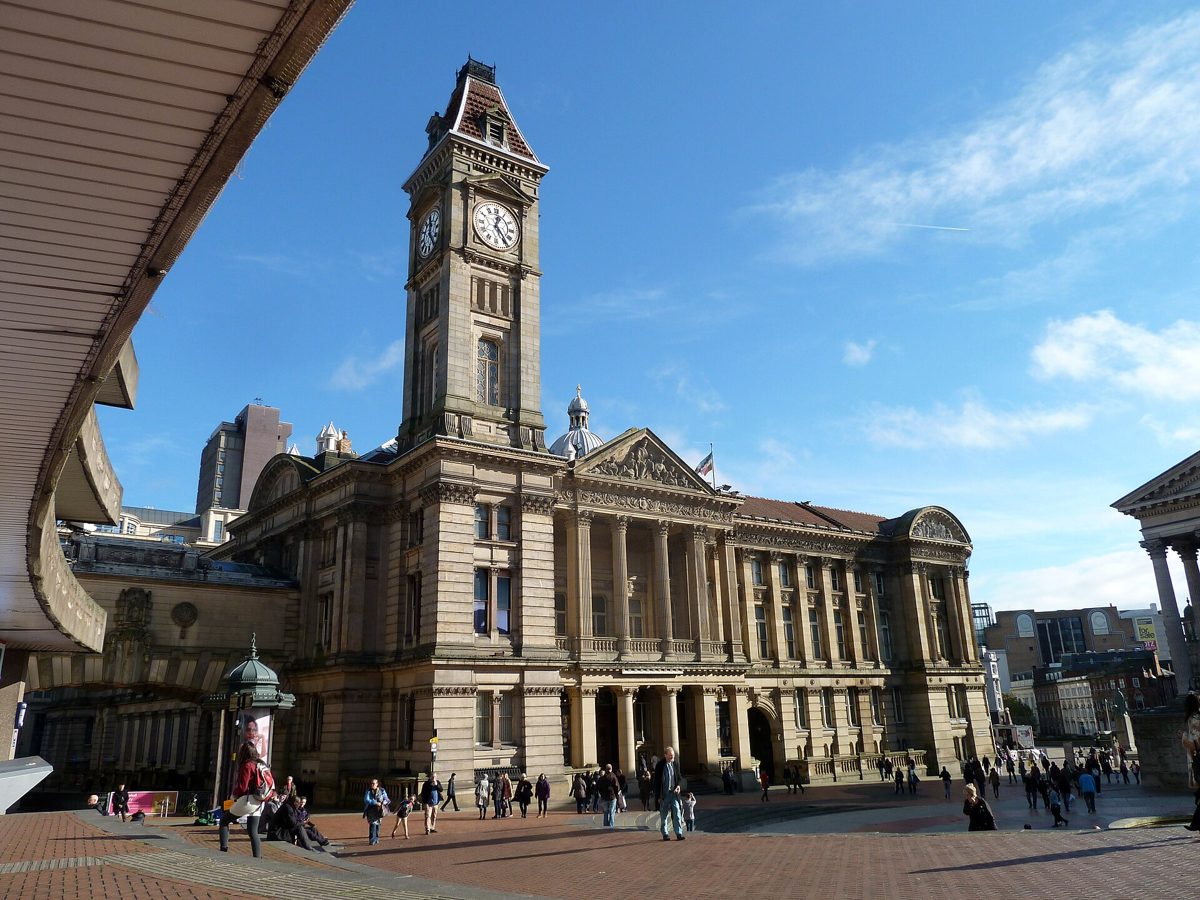
Birmingham’s cultural landscape rewards the curious. Away from the construction cranes and canal-side developments, the city holds genuine treasures: a staggering Pre-Raphaelite collection, a museum dedicated to the Coffin Works that supplied the funerals of Churchill and the Queen Mother, and a concert hall with acoustics that rival any in Europe. This guide covers the institutions that matter, with enough detail to help you navigate them like a regular rather than a tourist.
Birmingham Museum and Art Gallery (BMAG)
Let’s start with the obvious heavyweight, though as of 2025 the main Council House complex on Chamberlain Square remains closed for major electrical and roof work. The partial reopening is scheduled for spring 2026. In the interim, the Gas Hall gallery within the same complex hosts rotating exhibitions from the permanent collection, so check the BMAG website before visiting.
What makes BMAG exceptional is its Pre-Raphaelite holdings. This is not an overstatement: the gallery owns over 2,000 works from the Brotherhood and their circle, making it the largest public Pre-Raphaelite collection anywhere. Ford Madox Brown’s The Last of England, a circular painting of emigrants staring out to sea, is the emotional anchor. Edward Burne-Jones, a Birmingham native, is represented by major works including the massive watercolour The Star of Bethlehem. Look also for Rossetti’s Proserpine and Millais’ The Blind Girl. The collection is so deep that even when BMAG loans works internationally, the remaining display barely thins.
Beyond the Pre-Raphaelites, the Staffordshire Hoard gallery merits serious time. The largest hoard of Anglo-Saxon gold and silver ever found, excavated in 2009 from a field near Lichfield, lives here in a dimly lit, secure display. The craftsmanship of the 7th-century garnet cloisonné is extraordinary up close.
The museum is free. When the main building reopens, weekday mornings immediately after opening tend to be quietest. The Edwardian Tearooms, with their original tiled walls, are worth a stop for coffee even if you are not peckish.
The Barber Institute of Fine Arts
Located on the University of Birmingham’s Edgbaston campus, the Barber is a small, tightly curated gallery housed in a 1930s Art Deco building designed by Robert Atkinson. The collection was assembled by the Barber family and opened in 1939 with the explicit brief of acquiring works of "that standard of quality required by the National Gallery." The result is a concentrated hit of European painting from the 13th to the 20th centuries.
The strengths are clear: Baroque and Dutch Golden Age works, Impressionism, and a strong group of British 20th-century pieces. Among the standouts: Botticelli’s Madonna and Child with Saint John the Baptist, Rubens’s portrait of a Carmelite prior, Turner’s The Sun Rising Through Vapour, and Magritte’s The Flavour of Tears. The Rodin sculptures in the central rotunda include a cast of The Kiss. The coin gallery downstairs is one of the finest numismatic collections in Europe and often overlooked by visitors who focus only on the paintings.
The Barber is free. It attracts fewer visitors than BMAG because of the campus location, so it rarely feels crowded. The concert hall within the building runs a serious chamber music programme if you want to pair a visit with a recital.
Ikon Gallery
Ikon occupies a Victorian school building in Brindleyplace, a short walk from the canals. It is Birmingham’s leading contemporary art space, and unlike many regional contemporary galleries, it has an international programming reach. No permanent collection exists here; the gallery rotates exhibitions of living artists, often with a conceptual or installation focus. Past artists have included Cornelia Parker, Yinka Shonibare, and Gillian Wearing.
The building itself is part of the experience. The school architecture remains visible in the high ceilings, staircases, and large windows. The tower room on the top floor is an architectural quirk worth seeing. The gallery is free, and the bookshop has a curated selection of art monographs and catalogues that is better than most. For quieter visits, weekday afternoons outside of school holidays are your best bet. The Yorks Café on the ground floor does a decent espresso and a small lunch menu.
The Coffin Works (Newman Brothers Museum)
The Jewellery Quarter is known for its workshops and Georgian streets, but the Coffin Works on Fleet Street is the most unusual museum in the district. Newman Brothers operated from this building from 1894 to 1998, manufacturing fine coffin furniture: handles, breastplates, shrouds, and linings. The factory supplied funerals for Winston Churchill, the Queen Mother, and Diana, Princess of Wales.
The museum preserves the factory exactly as it was left when the last workers locked the doors. The stamping room, the shroud room, and the offices are all intact, with tools, ledgers, and half-finished orders still in place. Guided tours are the only way to see it, and they run at set times. The guides, often local historians, deliver the details without sentimentality, which suits the subject. The stories of the workforce, mainly women in the shroud department, are the most compelling part of the visit. The tour lasts about an hour. Booking ahead is advisable, especially on weekends. The museum is a paid-entry, independent trust, so it does not rely on council funding.
The Pen Museum (Jewellery Quarter)
Staying in the Jewellery Quarter, the Pen Museum on Frederick Street occupies what was once the centre of the world’s steel pen trade. In the 19th century, Birmingham produced 75% of the world’s pens. This small, volunteer-run museum tells that story through original machinery, thousands of pen nibs, and the social history of the workers who made them.
You can try writing with a quill, a steel nib, and an early typewriter. The volunteer team includes former pen workers and people who know Victorian manufacturing inside out, so the conversations are often the best part. The museum is small enough that an hour covers it thoroughly. It is paid, and the entry fee is modest. Pair it with a walk around the surrounding streets, which still bear the names of the metal trades that defined the area.
Museum of the Jewellery Quarter
Also within the Jewellery Quarter, this is a second site operated by Birmingham Museums Trust. It is built around the preserved Smith & Pepper factory, which made jewellery from 1899 until the owners retired in 1981 and simply locked the doors. The time-capsule quality is striking: benches still littered with tools, half-finished pieces, tea cups, and personal effects.
The tour guide walks you through the factory floor and the office, and the narrative focuses on the workers and the craft rather than just the objects. The museum also has a gallery space with changing exhibitions on jewellery making and metalwork. The combined factory floor and gallery experience is more satisfying than either would be alone. The museum is a paid. Weekday mornings, especially Tuesday to Thursday, are the quietest windows.
Symphony Hall
Symphony Hall is not a museum, but it is the single most important cultural venue in the city, and its guided tours and visits offer something closer to a museum experience than a standard concert. The hall opened in 1991 inside the International Convention Centre and is home to the City of Birmingham Symphony Orchestra. The acoustics, designed by Russell Johnson of Artec Consultants, are routinely ranked among the best in Europe, on par with the Musikverein in Vienna and the Concertgebouw in Amsterdam.
The hall seats 2,262, and the design includes a reverberation chamber and adjustable acoustic panels that can shift the sound profile depending on the programme. The CBSO under conductor Kazuki Yamada continues to programme ambitious seasons. If you are not attending a concert, the backstage tours explain the engineering in detail and let you stand on the stage where Simon Rattle made his name. The hall also houses the Symphony Hall Organ, a 6,000-pipe instrument built by Klais Orgelbau.
Tours are paid and must be booked in advance. The quietest way to experience the building is a weekday afternoon tour, which avoids the pre-concert crowds.
Frequently asked questions
Which Birmingham museums are free to enter?
Birmingham Museum and Art Gallery, the Barber Institute of Fine Arts, and Ikon Gallery are all free. The Jewellery Quarter museums, the Coffin Works, and the Pen Museum charge a modest admission fee as independent trusts. Symphony Hall tours are paid.
What is the best time to visit the Jewellery Quarter museums to avoid crowds?
Weekday mornings, Tuesday through Thursday, are consistently the quietest across the Quarter. The Coffin Works and the Pen Museum are small spaces, so the first tour of the day usually has the fewest visitors. Avoid Saturdays if you want a slower pace.
This is an independent member's guide compiled by Birmingham Society. We are not affiliated with the venues and institutions mentioned; opening arrangements and programmes change - always confirm details on the official websites before making plans.
← Back to Events