Birmingham parks and green spaces - a member's guide
Where Birmingham goes outdoors: the parks worth crossing town for and when each is at its best.
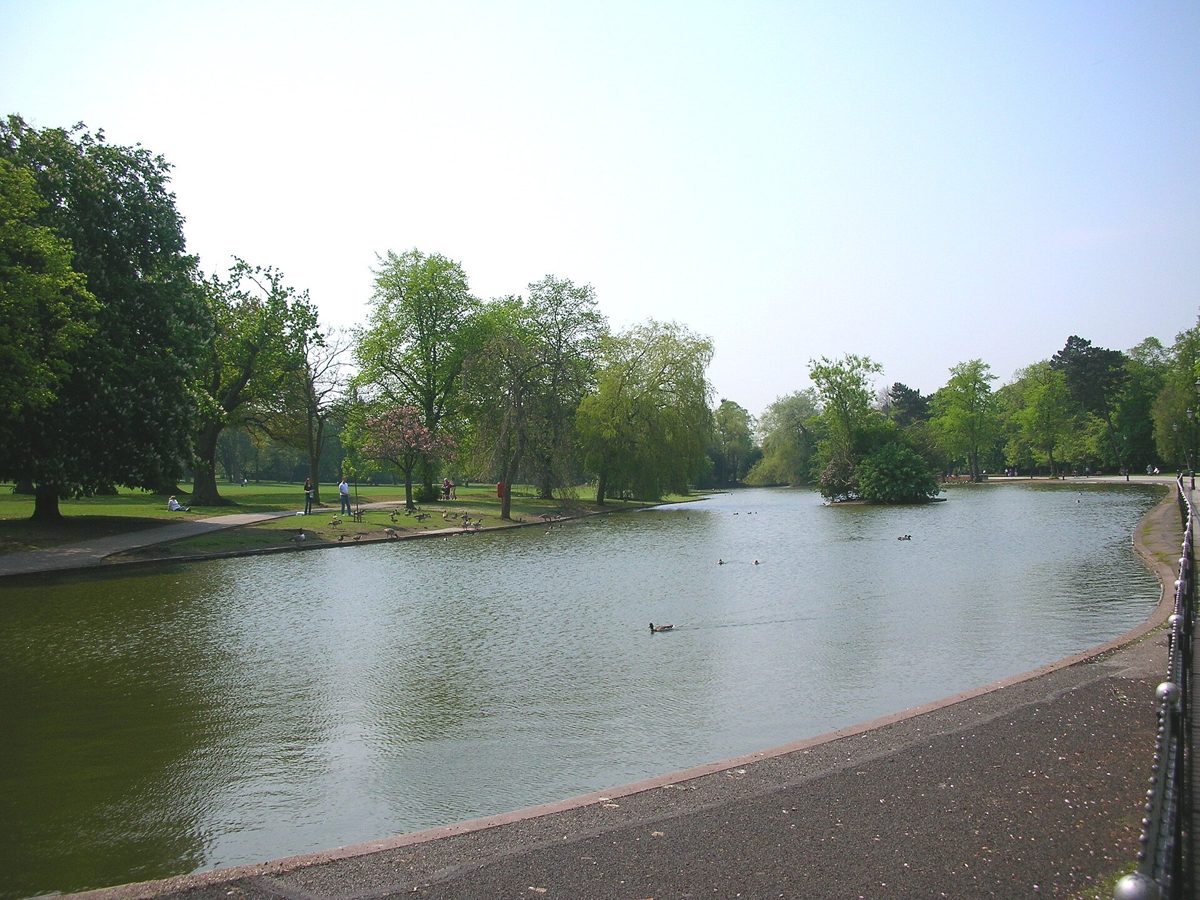
Birmingham offers a surprising array of green spaces, from formal Victorian gardens to vast nature reserves, each providing a unique escape from urban life. This guide outlines five of the city's finest, helping you discover their distinct characters, best uses, and seasonal highlights, ensuring a rewarding visit at any time of year.
Cannon Hill Park
Cannon Hill Park, a classic Victorian park in south Birmingham, presents a lively, family-oriented environment. Its character blends structured recreational facilities with expansive green lawns and mature trees. The park features a boating lake, a mini golf course, and the Birmingham Wildlife Conservation Park, making it a hub for diverse activities. It's a place where families can easily spend an entire afternoon, moving from paddle boats to playgrounds.
This park is best for family outings, casual recreation, and gentle walks. The well-maintained paths are suitable for all ages and mobility levels, offering easy navigation around its various attractions. Picnickers often dot the lawns on sunny days, and the open spaces are popular for ball games and kite flying.
Seasonal notes: Summer sees Cannon Hill at its most vibrant, with all attractions fully operational and events often taking place. Spring brings blossoming trees and new life to the wildlife park. Autumn transforms the park with rich foliage colours, particularly around the lake. Winter offers quieter, crisp walks, with the mac arts centre providing a warm refuge and cultural activities.
Insider tip: For a quieter experience away from the main attractions, explore the less frequented paths that wind through the natural conservation area towards the River Rea. You'll find peaceful spots for contemplation and better opportunities for birdwatching.
Sutton Park
Sutton Park, a designated National Nature Reserve, stands as one of Europe's largest urban parks, covering over 2,400 acres. Its character is one of wild, untamed beauty, featuring a remarkable diversity of landscapes including heathland, woodlands, wetlands, and seven lakes. This ancient deer park truly feels like a countryside escape within the city's reach, offering vast open spaces and diverse ecosystems.
Sutton Park is best for long, immersive walks, trail running, cycling, and nature observation. Birdwatchers frequently spot a variety of species, and the park's resident herd of wild ponies and cattle contribute to its unique grazing landscape. It's an ideal location for those seeking extensive outdoor exercise or a deep connection with nature.
Seasonal notes: Spring bursts with wildflowers and the sounds of nesting birds. Summer offers expansive views across the heathland and opportunities for watersports on the main lakes. Autumn provides a spectacular display of fungi and rich woodland colours. Winter transforms the park into a stark, beautiful landscape, perfect for crisp, invigorating walks.
Insider tip: To experience the park's true wilderness, head to the northern sections, particularly around Streetly Gate. These areas are generally less crowded than the southern entrances and offer some of the most undisturbed heathland and ancient woodland trails.
The Lickey Hills
The Lickey Hills Country Park, situated southwest of Birmingham, offers a distinctly different character with its elevated position and varied topography. This countryside park provides stunning panoramic views across Birmingham and beyond from Beacon Hill, its highest point. The landscape encompasses ancient woodlands, open grasslands, and managed heathland, creating a rugged yet accessible natural environment.
The Lickey Hills are best for hill walking, mountain biking, and enjoying expansive vistas. Its challenging trails appeal to hikers and cyclists seeking more strenuous routes, while the open spaces are popular for picnicking and kite flying on windy days. It's an excellent choice for those wanting to feel truly "out in the country" without venturing far from the city.
Seasonal notes: Clear days in any season offer the best views from Beacon Hill. Spring is particularly beautiful with bluebells carpeting the woodland floors. Autumn brings a vibrant palette of reds and golds to the tree canopy. Even in winter, a clear, frosty morning can provide breathtaking, crisp panoramas.
Insider tip: Instead of always heading straight for Beacon Hill, explore the trails around Cofton Park on the eastern edge of the Lickey Hills. These paths often provide equally charming walks with different perspectives and are typically less frequented, offering a more serene experience.
Winterbourne House and Garden
Winterbourne House and Garden, part of the University of Birmingham, offers a refined and tranquil experience. This Edwardian Arts and Crafts house is surrounded by a magnificent 7-acre botanical garden, meticulously maintained and featuring a diverse collection of plants from around the world. Its character is one of elegance, historical charm, and horticultural excellence, providing a peaceful retreat.
Winterbourne is best for horticultural enthusiasts, those seeking a tranquil escape, and visitors interested in early 20th-century architecture and garden design. The walled garden, Japanese garden, and various glasshouses provide endless opportunities for plant study and quiet contemplation. The house itself offers a glimpse into Edwardian life.
Seasonal notes: Spring and Summer: The gardens are at their peak with vibrant floral displays, blooming rhododendrons, and lush herbaceous borders. Autumn: The Japanese Garden displays spectacular foliage colours, and the perennial borders still offer interest. Winter: The structure of the garden remains beautiful, and the glasshouses provide warmth and exotic plants, including orchids and cacti, offering colour and interest year-round.
Insider tip: Seek out the small but fascinating collection of carnivorous plants in one of the glasshouses. It's often overlooked amidst the more flamboyant displays but provides a unique insight into a different aspect of plant life and adaptation.
Birmingham Botanical Gardens
Established in 1832, the Birmingham Botanical Gardens offer a historical and curated green space experience. Spanning 15 acres, their character is defined by Victorian elegance, extensive plant collections, and architectural features like the iconic four glasshouses and a beautiful bandstand. It's a place where horticulture meets heritage, designed for both education and enjoyment.
The Botanical Gardens are best for plant study, elegant strolls, photography, and attending cultural events. The glasshouses house tropical, sub-tropical, Mediterranean, and arid plant collections, ensuring year-round botanical interest regardless of the weather. The formal lawns and themed gardens provide a picturesque setting for relaxation and exploration.
Seasonal notes: The glasshouses ensure the gardens offer interest in every season, from the vibrant orchid displays in winter to the lush tropical foliage year-round. Outdoors, spring brings a profusion of bulbs and blossoms, while summer sees the herbaceous borders and rose gardens in full glory. Autumn offers rich colours in the arboretum and the dahlia collection.
Insider tip: Visit on a weekday morning, particularly outside school holidays, for the most serene experience. The early hours allow for unhurried appreciation of the delicate ecosystems within the glasshouses, offering a peaceful escape before the crowds arrive.
Maximizing Your Green Space Experience
Birmingham's green spaces offer something for everyone, whether you're seeking active adventure or quiet contemplation. To make the most of your visits, consider the following: Plan your transport: While some parks are easily accessible by public transport, others, like the Lickey Hills or Sutton Park, might benefit from car access for convenience, especially if you plan to explore their furthest reaches. Check accessibility: Most main paths in Cannon Hill Park and the Botanical Gardens are wheelchair and pushchair friendly. For places like Sutton Park and the Lickey Hills, be prepared for varied terrain, including unpaved trails and inclines. Embrace the seasons: Each park transforms throughout the year. Don't limit yourself to summer visits. Discover the quiet beauty of a frosty morning in Sutton Park or the vibrant autumn colours of Cannon Hill. Pack essentials: Always bring water, especially for longer walks. Sunscreen and insect repellent can be useful in warmer months. A portable charger for your phone is also a good idea if you plan to use navigation apps. Respect nature: Stay on marked paths, take all litter home, and keep dogs on leads where required, especially in nature reserve areas to protect wildlife.
These spaces are not just parks; they are vital lungs for the city, offering diverse ecosystems and recreational opportunities that enhance wellbeing and connect residents with nature.
Frequently asked questions
Are Birmingham's parks suitable for children?
Absolutely, many of Birmingham's green spaces are very child-friendly. Cannon Hill Park, with its boating lake, mini golf, and playgrounds, is a prime example designed for family fun. Even larger, more natural parks like Sutton Park and the Lickey Hills offer gentler trails and open spaces suitable for children to explore and play, alongside more challenging routes for older children and teenagers.
Can I find food and drink options within these parks?
Yes, most of the featured parks and gardens offer refreshment facilities. Cannon Hill Park has several kiosks and cafes, including the mac arts centre cafe. Sutton Park has cafes at its main entrances, like Town Gate. Winterbourne House and Garden features a delightful tea room, and the Birmingham Botanical Gardens also has a cafe. The Lickey Hills includes a visitor centre with a small cafe.
Are there opportunities for wildlife spotting in these green spaces?
Definitely. Sutton Park, as a National Nature Reserve, is exceptional for wildlife, including deer, various bird species, and diverse insect life. The Lickey Hills also support a range of woodland and grassland animals. Even more urban parks like Cannon Hill have designated nature areas and the Birmingham Wildlife Conservation Park. The Botanical Gardens, while cultivated, attract local birdlife and insects, particularly around their water features.
This is an independent member's guide compiled by Birmingham Society. We are not affiliated with the venues and institutions mentioned; opening arrangements and programmes change - always confirm details on the official websites before making plans.
← Back to Events