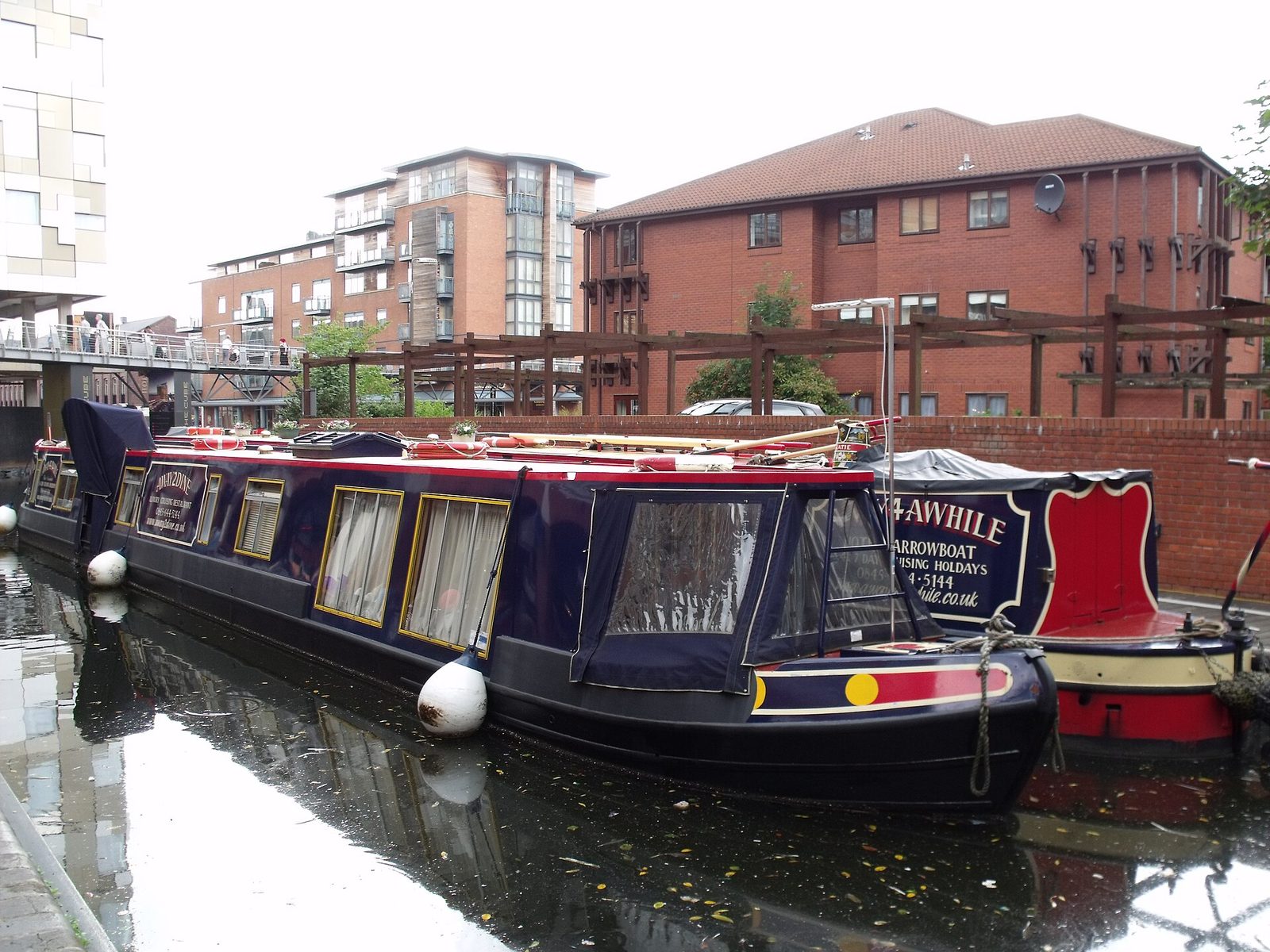
Student housing in Birmingham comes in two legal flavours: university-owned halls and code-registered purpose-built blocks, which still use fixed academic-year contracts, and shared houses and flats in the private market, which since 1 May 2026 have been rolling tenancies under the Renters' Rights Act. Most first-years start in halls (the University of Birmingham, Birmingham City University and Aston all offer guaranteed rooms to eligible new students), then move into a shared house in their second year, typically in Selly Oak for the Edgbaston campus or in and around the city centre for BCU and Aston. The practical rules on deposits, notice, rent in advance and licensing have changed a lot in 2026, so even students who rented last year should read the new terms before signing.
Student housing in Birmingham at a glance
- University halls. The University of Birmingham says it has over 7,500 rooms within easy walking distance of campus, spread across three villages (Pritchatts Park, Selly Oak and The Vale) plus partner buildings in Selly Oak and Edgbaston.
- Purpose-built student accommodation (PBSA). Private blocks, often en-suite, with bills included. BCU and Aston both place first-years in partner buildings.
- Shared houses (HMOs). Three or more unrelated students sharing a kitchen or bathroom. In Birmingham these need a council licence even when only three or four people live there.
- Studios. Mostly in city-centre PBSA blocks. More privacy, higher weekly cost.
- The legal split. Since 1 May 2026, private shared houses are assured periodic tenancies; university halls and most code-registered PBSA are outside that system (checked October 2026).
Where students live
The University of Birmingham's main campus is in Edgbaston, and the neighbouring streets of Selly Oak along the Bristol Road have long been the default second-year address. Concentration of shared houses there was strong enough that the council once ran a separate planning restriction for Selly Oak, Harborne and Edgbaston. That local rule was replaced on 8 June 2020 by a city-wide Article 4 Direction, which means converting a family house into a small HMO for three to six people now needs planning permission anywhere in Birmingham. One side effect: the supply of shared houses near campus is largely fixed, and good ones are let early.
Birmingham City University teaches at a City Centre campus and a City South campus, and its accommodation list is organised by which campus each building is closest to. Aston University provides all its campus accommodation with its partner, Unite Students. Students at either university who move into private housing tend to look at the city centre, the Jewellery Quarter and Digbeth, but commuting time matters more than postcode: check the walk or bus journey to your own teaching building before you commit.
Halls and purpose-built blocks
University accommodation removes most of the admin. Rent usually includes bills and wi-fi, contracts follow the academic year, and there is on-site support. The trade-off is a fixed contract: the University of Birmingham's own Renters' Rights Act FAQs say that in university-owned rooms or PBSA your start and end dates are fixed, and unless you have exceptional circumstances you are unlikely to be released early.
What the guarantees say
- University of Birmingham. New undergraduates, postgraduates and full-year exchange students are guaranteed the chance to book a room if they meet their offer conditions, make Birmingham their firm UCAS choice and apply by the deadline. For September 2026 entry the Guarantee Scheme deadlines were 30 June for UK undergraduates and 31 July for international undergraduates, with applications opening on 1 December 2025. Expect a similar pattern for 2027.
- Birmingham City University. BCU guarantees accommodation for first-years through partner providers. Its published 2026-27 prices run from £120 to £179 a week at Hamstead Campus (bills and a bus pass included) up to £178 to £210 a week at The Old Fire Station, with contracts of 43 to 51 weeks depending on the building (checked October 2026).
- Aston University. Aston's accommodation page lists en-suite rooms in five or seven person flats from £144 a week, with applications for 2027-28 already open (checked October 2026).
Weekly price is only half the sum. A 51-week contract at a lower weekly rate can cost more in total than a 43-week contract at a higher one, so always compare the total figure, which BCU publishes alongside each weekly rate.
Shared houses after the Renters' Rights Act
The picture most students carry in their heads, a 12-month fixed-term assured shorthold tenancy signed in November, no longer describes private renting in England. According to GOV.UK's tenancy deposit guidance, assured periodic tenancies replaced assured shorthold tenancies on 1 May 2026. The government's guide to the Renters' Rights Act explains that existing fixed terms converted to rolling tenancies on that date and that section 21 "no-fault" notices can no longer be served.
What that means in a Birmingham student house (checked October 2026):
- You can leave with two months' notice. In a joint tenancy, one housemate's notice can end the tenancy for everyone, so agree in writing how you will handle someone dropping out.
- Rent in advance is capped. No rent can be taken before the tenancy agreement is signed, and between signing and moving in the landlord can ask for no more than one month's rent (or 28 days for weekly rent). Large lump sums up front are no longer allowed.
- No bidding wars. Landlords and agents must publish an asking rent and cannot accept offers above it.
- Rent rises once a year. Increases follow a statutory process with at least two months' notice, and can be challenged at the First-tier Tribunal.
- Pets. You can ask, and the landlord must consider the request reasonably.
Ground 4A and the end of the academic year
Landlords of all-student HMOs have a special possession ground, Ground 4A, so the house can be re-let to a new group each year. The government's Housing Hub page for tenants says that from 2027 a landlord using it must give four months' notice for the tenancy to end between 1 June and 30 September. It only works if everyone in the house is a full-time student, and the NUS summary of answers from the housing ministry adds that a landlord cannot use Ground 4A if the tenancy was agreed more than six months before it starts. That is a direct brake on the old habit of signing next year's house before Christmas: you can still sign early, but a landlord who wants Ground 4A has a reason not to rush you.
If even one housemate is not a full-time student, the University of Birmingham notes that Ground 4A cannot be used and the standard grounds apply instead.
Viewing a property
Go to viewings with a checklist and take dated photos.
- Licence. Since 5 June 2023, Birmingham's additional licensing scheme requires a licence for smaller HMOs with three or four occupants from two or more households, on top of the national mandatory licence for houses of five or more. Search the council's Property Licensing Public Register for the address. Landlords who fail to license face civil penalties of up to £40,000, and tenants can seek a rent repayment order.
- Energy rating. Look up the certificate on the GOV.UK energy certificate register. Private rented homes must normally meet at least EPC band E; a low rating means higher bills.
- Damp and repairs. Look behind furniture, in bathrooms and around window frames. Ask who handles repairs and what happens at weekends. Retaliatory eviction for reporting problems is banned.
- Accreditation. Ask whether the landlord belongs to a code such as the Unipol Codes for student housing, which commit members to standards on repairs, deposits and complaints.
- Scams. Students' unions warn about rent that looks far below market, requests for a deposit before a viewing and payments by money transfer. BCUSU's housing advice covers each of these.
Budgeting for rent, bills and deposits
Rent is the biggest line, but in a private house you will also pay energy, water and broadband, plus contents insurance and travel. Halls usually include bills, which makes direct comparison harder: convert everything to a total for the year.
Deposits. Under the Tenant Fees Act 2019 a tenancy deposit is capped at five weeks' rent where annual rent is under £50,000, and a holding deposit at one week's rent. Your landlord must place the deposit in one of three government-approved schemes (Deposit Protection Service, MyDeposits or the Tenancy Deposit Scheme) within 30 days, and must return it within 10 days of you both agreeing the amount. The duty applies even if a parent pays it for you.
Council tax. GOV.UK confirms that households where everyone is a full-time student do not have to pay council tax. To qualify, a course must last at least a year and involve at least 21 hours of study a week. If a bill arrives anyway, apply for the exemption with your student status letter. If one housemate is not a student, the house gets a bill, though a discount may apply.
Guarantors. Many landlords ask for a UK guarantor, which international students may not have. The University of Birmingham has partnered with Housing Hand, which acts as a guarantor for a fee; check what any guarantor service charges before you rely on it.
Where to get help in Birmingham
Start with your landlord, in writing, and keep a record. If repairs are ignored or a property seems unlicensed, the city council's private rented services team can act. The council's licensing team also runs a confidential reporting route for unlicensed HMOs.
Each university has its own advice service. The University of Birmingham's Student Living team runs a tenancy agreement checker and private renting support, and the Guild of Students has a Housing Hub on finding housemates, checking contracts and living in your home. BCU students can send their contract to the BCUSU advice team before signing. For independent advice, Shelter's housing advice pages cover tenancies, deposits and repairs in England.
More changes are still to come. The government says its "Register your rental property" service for landlords will roll out regionally from 15 December 2026, followed by a private rented sector ombudsman and the extension of Awaab's Law and the Decent Homes Standard to private renting (checked October 2026).
Frequently asked questions
Do I still sign a fixed-term contract for a Birmingham student house?
Not usually. Most private student houses are now rolling assured periodic tenancies, which you can end with two months' notice. University halls and code-registered PBSA can still use fixed academic-year contracts.
When should I start looking for a second-year house?
There is no legal deadline, and signing very early now carries more risk for landlords who want to use Ground 4A, since that ground fails if the tenancy was agreed more than six months before it starts. Take time to choose housemates and view properties properly.
Do students pay council tax in Birmingham?
Not if everyone in the household is a full-time student under the GOV.UK definition. If you receive a bill, apply for the exemption.
How do I check that a shared house is legal?
Search the address on Birmingham City Council's Property Licensing Public Register. Houses with three or more tenants from different households who share facilities need a licence in Birmingham.